Portable Countertop Dishwasher Faucet Adapter
Yes, a portable countertop dishwasher faucet adapter is a simple device that helps connect your compact dishwasher to your kitchen faucet. It’s designed for renters or anyone who can’t permanently install a dishwasher. This adapter lets you use your dishwasher without needing a direct plumbing connection. It’s a practical solution for easy dishwasher hookup.
Many people worry about the installation process. We found that using a faucet adapter is surprisingly straightforward. It typically involves screwing the adapter onto your faucet’s aerator threads. This allows you to attach the dishwasher’s hose easily. You’ll want to make sure you have the correct adapter size for your faucet. This avoids leaks and ensures your dishwasher runs smoothly.
- What it is: A connector for portable dishwashers.
- What it does: Links your dishwasher hose to your faucet.
- Who needs it: Renters or those without permanent plumbing.
- Key benefit: Easy, tool-free setup.
- Important tip: Check for the right size.
Let’s walk through exactly what these adapters are and how they make using a portable dishwasher so much simpler.
“`htmlConnecting Your Countertop Dishwasher: The Faucet Adapter Explained
So, you’ve got a neat countertop dishwasher, but how does it actually get water and drain it? For many, the answer is a simple yet clever piece of hardware: the faucet adapter. This small part is your direct link between your portable dishwasher and your kitchen sink. It’s designed for anyone who wants the convenience of a dishwasher without permanent plumbing. Think of it as a universal translator for your appliances.
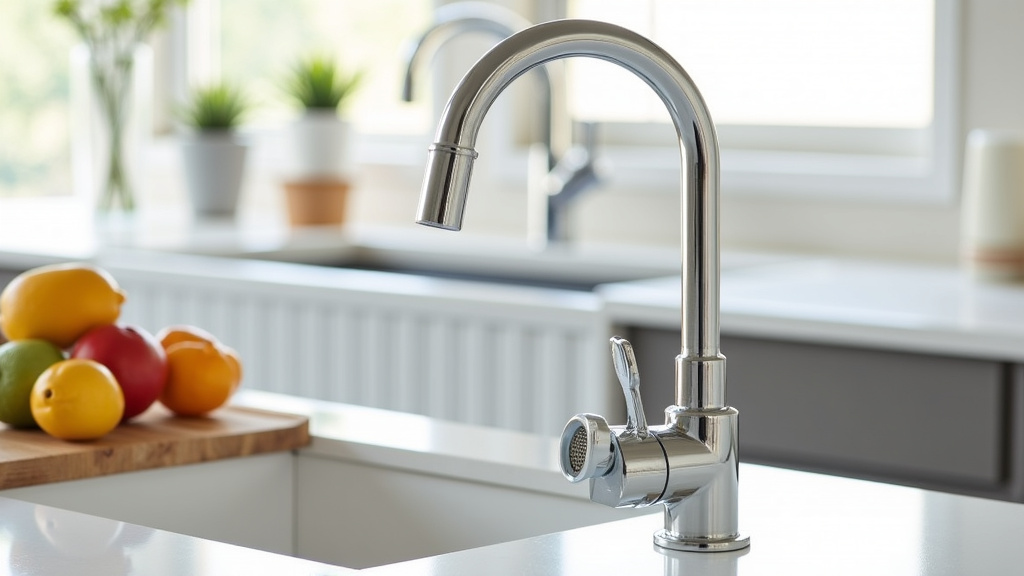
Many people wonder if this adapter is complicated to use. We found that it’s designed for easy setup. You don’t need to be a plumbing expert. Most adapters screw onto your faucet’s aerator, the part where water usually comes out. Then, your dishwasher hose simply connects to the adapter. It’s a straightforward process that most people can handle in minutes. This means you can start enjoying clean dishes sooner.
How These Adapters Work Their Magic
The core function of a faucet adapter is to create a secure, temporary connection. Your countertop dishwasher needs a water supply and a way to expel dirty water. The adapter handles both, in a way that’s easy to switch on and off. This makes it ideal for renters or those in older homes.
Water In, Water Out: The Basic Process
When you turn on your dishwasher, it signals the adapter to allow pressurized water from your faucet to flow into the dishwasher. This is the filling cycle. Once the wash or rinse is complete, the dishwasher’s pump pushes the dirty water back towards the adapter. The adapter then has a mechanism, often a small lever or button, that redirects this dirty water through your sink’s drain pipe. It’s a neat system that bypasses traditional plumbing.
Understanding the Threaded Connection
The most common way these adapters attach is via threaded connections. Your kitchen faucet’s aerator is usually threaded. The adapter will have a matching thread size. You simply unscrew the existing aerator and screw on the adapter. We found that most standard faucets use common thread sizes. However, it’s always wise to check your faucet before buying an adapter.
What If My Faucet Doesn’t Have Threads?
Some faucets might have a non-removable aerator or a different style. In these cases, you might need a specialized adapter. Some adapters come with different attachments or are designed to clamp onto certain faucet spout shapes. Researching your specific faucet model can save you a lot of hassle. We’ve seen adapters designed for pull-out sprayers, too, though these are less common for countertop units.
Choosing the Right Faucet Adapter for Your Needs
Not all faucet adapters are created equal. Selecting the right one ensures a leak-free experience and proper dishwasher function. Your main goal is to find an adapter that fits your faucet securely and is compatible with your dishwasher’s hose. This is where a little attention to detail goes a long way.
Key Features to Look For
When you’re shopping, keep these points in mind. First, the material matters. Most are made of durable plastic or metal. Metal adapters tend to be sturdier but can be more expensive. Second, check the connection type. Does it screw on directly? Does it come with various adaptors for different faucet types? Third, consider the dishwasher hose compatibility. Most adapters are designed for standard dishwasher hose fittings.
Thread Size: The Most Important Detail
This is where many people run into trouble. Faucet aerators come in different thread sizes. The two most common are male and female threads. You need to know if your faucet aerator has internal (female) or external (male) threads. Then, you need an adapter that matches. Often, adapters are sold with a set of different-sized O-rings or specific thread converters to help you get a snug fit. We found that measuring your faucet’s aerator threads or the aerator itself can be helpful. Sometimes, taking the old aerator to a hardware store can help you find the right size if you’re unsure.
Many manufacturers list the compatible thread sizes for their adapters. Some popular brands include:
| Adapter Type | Common Thread Sizes (Example) | Faucet Aerator Type |
|---|---|---|
| Standard Male Adapter | 15/16″ Male, 55/64″ Male | Internal (Female) Threads |
| Standard Female Adapter | 55/64″ Female, 13/16″ Female | External (Male) Threads |
| Universal Adapter | Multiple O-rings/Converters | Various |
We recommend checking the packaging or product description carefully. If you’re still unsure, look for an adapter kit that offers multiple connection options. This increases your chances of finding a perfect match.
Installation: Simpler Than You Think
Let’s talk about actually using the adapter. The goal is to make this process as tool-free as possible. You won’t need a whole toolbox.
Step-by-Step Connection Guide
Here’s a typical installation process:
- Turn off the water supply to your faucet. This is a safety step.
- Unscrew the existing aerator from your faucet spout. It might require a gentle twist.
- Select the correct adapter size. If your adapter came with options, pick the one that looks like the best fit.
- Screw the adapter onto the faucet spout. Hand-tighten it firmly. You don’t want it to come loose, but don’t overtighten and strip the threads.
- Attach your dishwasher hose to the adapter’s outlet. There’s usually a quick-connect fitting or a clamp.
- Turn the water back on slowly and check for leaks around the connection.
If you notice drips, try tightening the adapter a bit more. If it persists, you might need to re-check the thread size or the O-ring/gasket. Many experts suggest using a bit of plumber’s tape on the threads if you have persistent minor leaks, though this isn’t always necessary. For most users, the provided gaskets are sufficient.
Tips for a Leak-Proof Seal
A good seal prevents water from spraying everywhere. Ensure the rubber washer or O-ring inside the adapter is properly seated. When you screw the adapter on, make sure it goes on straight, not at an angle. This prevents cross-threading. Hand-tightening is usually enough. If you feel resistance that seems too strong, stop. You might be cross-threading, or you might have the wrong size.
Maintaining Your Faucet Adapter
Once installed, your adapter is pretty low-maintenance. However, occasional checks can save you trouble down the line. Think of it like checking the tire pressure on your car; it’s a small thing that prevents bigger issues.
Regular Checks and Cleaning
Periodically, especially if you’re disconnecting and reconnecting frequently, check the adapter for any signs of wear or damage. Look for cracks in the plastic or corrosion on metal parts. If you notice mineral buildup, you can clean it with a vinegar solution. This is similar to how you might clean a clogged showerhead. A clean adapter ensures smooth water flow.
When to Consider a Replacement
If the adapter consistently leaks despite your best efforts, or if the threads become damaged, it’s probably time for a new one. They are relatively inexpensive, and a faulty adapter can lead to water damage. Most adapters are designed for regular use, but like any part, they don’t last forever. We found that heavy use or rough handling can shorten their lifespan.
Quick Checklist for Adapter Success
Before you connect, give yourself a quick check:
- Water Supply Off? Always the first step.
- Correct Adapter Size? Double-check threads and faucet type.
- Aerator Removed? Ensure it’s out of the faucet.
- Adapter Screwed On Straight? Avoid cross-threading.
- Dishwasher Hose Attached Securely? Check the connection.
- Water On and Checked for Leaks? The final inspection.
Conclusion
You’ve learned how a portable countertop dishwasher faucet adapter makes enjoying a compact dishwasher possible, even without permanent plumbing. These adapters provide a straightforward way to connect your dishwasher to your kitchen faucet, typically with a simple threaded connection. By understanding your faucet’s thread size and choosing the right adapter, you can ensure a secure, leak-free hookup. This practical solution offers the convenience of a dishwasher for renters and those in smaller living spaces. Take a moment to identify your faucet’s type and thread size, then select an adapter kit that offers multiple options for a guaranteed fit.
Frequently Asked Questions
Can I use a faucet adapter if my dishwasher has a permanent plumbing connection?
No, a faucet adapter is specifically designed for portable dishwashers that do not have a direct plumbing line. If your dishwasher is designed for permanent plumbing, you will not need or be able to use a faucet adapter.
How do I know if the adapter will fit my faucet?
You’ll need to check the thread size of your faucet’s aerator. Most adapters specify the male or female thread sizes they are compatible with, often including common measurements like 15/16″ or 55/64″. It’s best to measure your existing aerator or look for an adapter kit that comes with multiple connection options.
Will a faucet adapter slow down my water flow when using the sink?
When the dishwasher is not running, water should flow normally from your faucet. The adapter only engages water flow to the dishwasher when the dishwasher is in operation. Some users report a slight difference in flow when the adapter is attached, but it generally doesn’t impede normal sink usage.
Is it safe to leave the adapter connected to my faucet all the time?
Yes, it is generally safe to leave the adapter connected when not in use. However, it’s good practice to periodically check the connection for any signs of wear or leaks. If you plan to be away for an extended period, you might consider disconnecting it.
What if my faucet has a pull-out sprayer? Can I still use an adapter?
Using a faucet adapter with a pull-out sprayer can be more challenging. Some specialized adapters are designed for this, but they are less common than standard faucet adapters. You’ll need to research adapters specifically made for pull-out sprayers and ensure compatibility with your dishwasher hose.