What Is a Countertop Dishwasher Hose Connection Kit?
On this page (9 sections)
- Understanding Your Countertop Dishwasher Hose Connection
- What Components Make Up the Kit?
- How the Connection Kit Works
- Types of Faucet Adapters You Might Find
- What to Look for in a Connection Kit
- Common Issues and How to Avoid Them
- A Quick Checklist for Choosing Your Kit
- Conclusion
- Frequently Asked Questions
A countertop dishwasher hose connection kit is a set of parts that helps you hook up a portable dishwasher to your sink faucet. It makes attaching and detaching the dishwasher simple. You typically don’t need special plumbing tools for this. This kit is essential for using your countertop dishwasher without permanent plumbing changes.
These kits usually include a special adapter for your faucet and a hose. The adapter screws onto your faucet’s aerator threads. The dishwasher hose then connects to this adapter. It allows your dishwasher to draw water from the faucet and drain it into the sink basin. They are designed for easy installation and removal.
- What it is: A kit to connect a countertop dishwasher to your sink faucet.
- Key parts: Usually includes a faucet adapter and a hose.
- How it works: Connects to faucet threads, allowing water in and out.
- Benefit: No permanent plumbing needed for your dishwasher.
- Simplicity: Designed for quick hookup and takedown.
Ready to get your portable dishwasher up and running? Let’s look at what makes these kits work and what you should consider when choosing one.
Understanding Your Countertop Dishwasher Hose Connection
So, you’ve got a countertop dishwasher and are wondering how it hooks up without needing a plumber? It’s simpler than you might think. The magic is in the countertop dishwasher hose connection kit. This kit is your direct line from the faucet to your handy dishwasher.
Think of it as a universal adapter for your kitchen. It lets you connect your dishwasher temporarily. This means you can enjoy sparkling dishes without altering your kitchen’s permanent plumbing. It’s a lifesaver for renters or anyone who doesn’t want permanent changes. This kit lets you connect your dishwasher temporarily, making it ideal for renters.
What Components Make Up the Kit?
A typical connection kit comes with just a few key items. These parts work together to make the connection quick and secure. You’ll usually find these in the box.
The Faucet Adapter: Your Key Connector
The star of the show is often the faucet adapter. This piece is designed to screw directly onto your kitchen faucet. Most kitchen faucets have an aerator at the end where the water comes out. This adapter threads onto those aerator connections. It provides a secure point to attach the dishwasher hose. These adapters are usually made of durable metal or heavy-duty plastic. They ensure a watertight seal.
The Dishwasher Hose
Next, you’ll have the dishwasher hose itself. This hose connects the faucet adapter to your countertop dishwasher. It’s designed to handle both the incoming hot water for washing and the outgoing wastewater for draining. The hoses are typically flexible and a good length. This gives you some room to position your dishwasher comfortably. They are built to withstand water pressure and temperature changes during a cycle.
Optional Accessories
Some kits might include a few extra bits. You might find rubber washers or o-rings. These are super important for ensuring a leak-free connection. They create a soft seal between parts. A small wrench or pliers might also be included, though often these connections are hand-tightened.
How the Connection Kit Works
The process is designed to be user-friendly. You’re essentially diverting your existing faucet’s water supply to the dishwasher. Here’s the basic flow.
Connecting to the Faucet
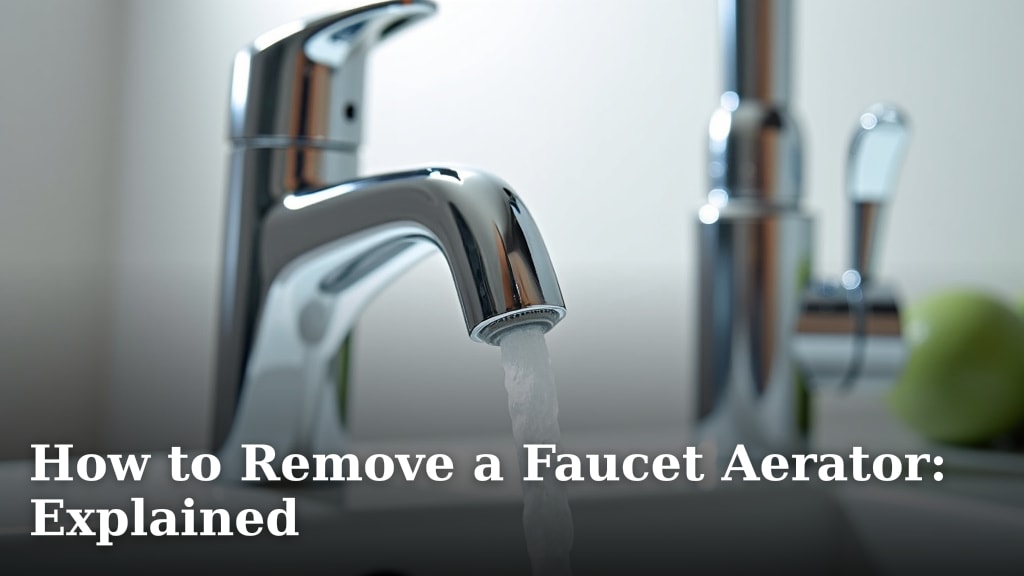
First, you’ll need to unscrew the aerator from your faucet. This is usually a simple twist-off action. Then, you screw the faucet adapter onto the threads where the aerator was. Make sure it’s snug but don’t overtighten. The adapter now sits where your water usually flows out.
Attaching the Dishwasher Hose
The dishwasher hose then connects to the other end of the faucet adapter. This connection is usually a quick-release or a threaded fitting. Your dishwasher also has a hose that connects to the adapter on its end. When you turn on the faucet to the correct setting (often indicated in your dishwasher’s manual), water flows through the adapter and into the dishwasher. This supplies the water needed for washing and rinsing.
Water Drainage Simplified
When the dishwasher needs to drain, the dirty water flows back through the same hose. It then exits through the faucet adapter and directly into your sink basin. This is why you need to make sure the hose is properly positioned over the sink. It prevents water from backing up or spilling onto your countertop.
Types of Faucet Adapters You Might Find
Not all faucets are the same, so adapters have evolved. Manufacturers try to cover most common faucet types. Knowing what you have can help you choose the right kit.
Standard Threaded Adapters
These are the most common. They work with faucets that have standard male or female aerator threads. You’ll screw the adapter onto these threads. It’s a simple, reliable method.
Quick-Connect Adapters
Some modern kits feature a quick-connect system. You attach a small piece to the faucet permanently. Then, the main hose clicks on and off easily. This is great if you use your faucet for other things frequently. It allows for super-fast transitions.
Specialty Adapters for Unique Faucets
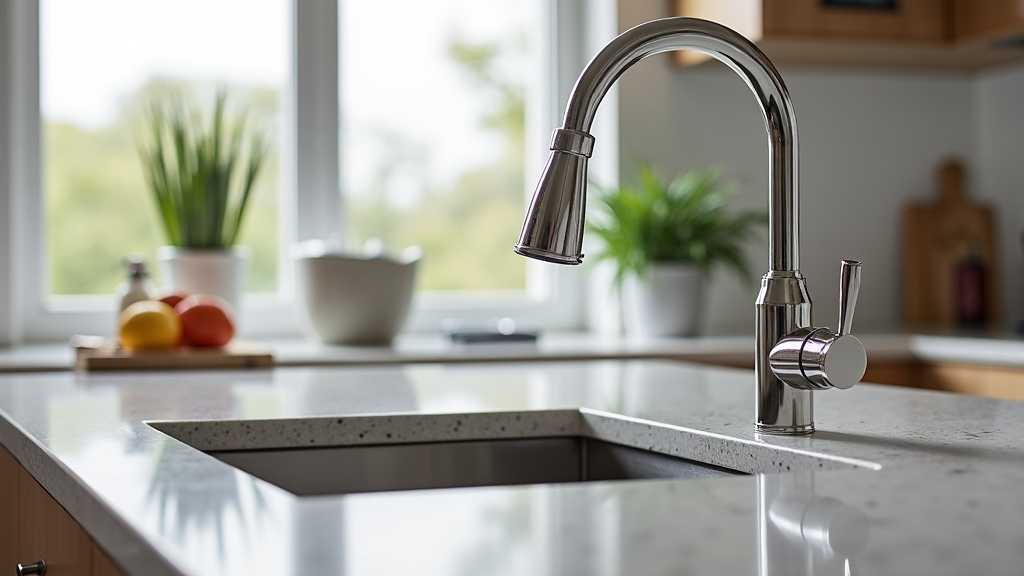
What if you have a pull-out or spray-style faucet? These can be trickier. Some kits might offer adapters for these. You might need to remove the spray head entirely. Always check your faucet type and the adapter’s compatibility before buying.
What to Look for in a Connection Kit
Choosing the right kit ensures your dishwasher works smoothly and without leaks. Consider these points before you buy.
Faucet Compatibility is Key
This is the most important factor. Does the kit’s adapter fit your faucet? Many kits list the types of threads they accommodate. If you have an unusual faucet, research your faucet model first. You may need to measure the aerator threads or consult your faucet’s manual.
Hose Length and Durability
Measure the distance from your faucet to where you plan to place the dishwasher. Choose a hose that’s long enough without being excessively so. A hose that’s too short is useless. Too long might create a tripping hazard or look messy. Also, check the hose material. It should feel sturdy and flexible.
Ease of Installation and Removal
Can you install and remove it easily? Most are designed for this. Look for kits that don’t require special tools. If you need to detach it often, a quick-connect system is a great feature. Read reviews to see what other users say about the setup process.
Material Quality Matters
A kit made from good quality materials will last longer and prevent leaks. Metal adapters are generally more durable than plastic ones. High-quality rubber or reinforced hoses are also preferable. These materials can withstand the constant flow of water and temperature changes.
Common Issues and How to Avoid Them
Even with the right kit, a few hiccups can occur. Knowing about them helps you prepare.
Leaky Connections
This is the most frequent problem. Usually, it’s due to an improper seal. Ensure all washers are in place and in good condition. Make sure the adapter is screwed on tightly to the faucet. The hose connections to the adapter and dishwasher should also be secure. Sometimes, a bit of plumber’s tape on the threads can help, though most kits are designed to seal without it.
Water Pressure Problems
Some dishwashers are sensitive to water pressure. If your faucet’s pressure is too high, it can overwhelm the dishwasher or the adapter. Conversely, low pressure might mean your dishwasher doesn’t fill properly. Many kits have built-in flow restrictors to manage this. Check your dishwasher’s manual for ideal water pressure ranges.
Compatibility Surprises
Sometimes, even with standard threads, a fit can be off. This is rare but can happen with very old faucets or non-standard manufacturing. Having a backup plan, like a universal adapter kit or contacting the manufacturer, is wise.
A Quick Checklist for Choosing Your Kit
Ready to pick out your connection kit? Keep this simple list handy:
- Confirm Faucet Type: Does it have standard aerator threads?
- Measure Hose Length: Ensure it reaches from faucet to dishwasher.
- Check Adapter Material: Metal is generally more durable.
- Read Reviews: See what real users say about leaks and ease of use.
- Look for Included Washers: These are vital for sealing.
- Consider Quick-Connect: If you detach frequently, it’s a great option.
By understanding these components and considerations, you can confidently connect your countertop dishwasher. You’ll be enjoying hands-free dishwashing in no time!
Conclusion
You’ve learned that a countertop dishwasher hose connection kit is your key to hassle-free dishwashing without permanent plumbing. These kits, featuring a faucet adapter and a hose, make it simple to connect and disconnect your portable dishwasher. By understanding faucet compatibility, hose length, and material quality, you can choose the right kit for your needs. Taking a moment to check these details ensures a leak-free and efficient setup. Your next step is to identify your faucet type and measure the distance to your dishwasher, then select a kit that fits perfectly. You’ll soon be enjoying the convenience of clean dishes!
Frequently Asked Questions
Will this kit work with any kitchen faucet?
Most kits are designed for standard faucets with removable aerators. It’s important to check the kit’s specifications for thread compatibility. If you have a pull-out or spray faucet, you might need a specialty adapter.
How do I know if the hose is long enough?
Measure the distance from your faucet to where you’ll place the dishwasher. Choose a hose that is slightly longer than this measurement. Ensure the hose isn’t too long, as it could create a tripping hazard or look messy.
What if I see a small leak after connecting?
Leaks usually happen due to a loose connection or a missing/damaged washer. Double-check that the adapter is screwed on tightly to the faucet and that the hose connections are secure. Ensure all rubber washers are properly seated.
Can I leave the adapter on my faucet all the time?
Yes, you can often leave the adapter attached. However, if you frequently use your faucet for other tasks, a quick-connect adapter allows for faster removal. Some people prefer to remove it to maintain the faucet’s normal appearance.
Do I need any special tools to install this kit?
Typically, no special plumbing tools are required. Most kits are designed for hand-tightening. You might occasionally need pliers to help unscrew a stubborn aerator or snug up a connection, but this is rare.