Portable Countertop Dishwasher Without Faucet Hookup
On this page (8 sections)
- Your Kitchen’s New Dishwashing Hero: Dishwashers That Don’t Need a Faucet Hookup
- How These Dishwashers Get the Job Done Without Touching Your Faucet
- Choosing the Right Portable Dishwasher for Your Needs
- Setting Up Your Portable Dishwasher: A Quick Checklist
- Dispensing Detergent and Rinsing Your Dishes
- Comparing Portable Dishwashers: What the Data Shows
- Conclusion
- Frequently Asked Questions
Yes, you can absolutely use a portable dishwasher without a faucet hookup. These models connect to your kitchen water supply using an included adapter or hose that attaches to your existing faucet. You’ll still get a thorough clean without needing permanent plumbing changes, making them perfect for renters or small kitchens.
These clever appliances offer a convenient solution for dishwashing needs. They require minimal setup and can be easily stored when not in use. Many models also feature energy-saving options, helping you reduce water and electricity consumption compared to handwashing.
- No faucet connection needed (uses adapter).
- Easy setup and storage.
- Great for small kitchens or renters.
- Efficient cleaning and water usage.
- Some models offer air-dry features.
Ready to make dish duty easier? Let’s walk through how these faucet-free portable dishwashers work and what you should consider before buying one.
“`htmlYour Kitchen’s New Dishwashing Hero: Dishwashers That Don’t Need a Faucet Hookup
So, you’re dreaming of sparkling clean dishes but don’t want to deal with complicated plumbing? You’ve landed in the right spot! A portable countertop dishwasher that skips the direct faucet hookup is a fantastic option. Think of it as a dishwashing wizard that conjures clean plates with minimal fuss. It connects to your water supply in a clever way, making it super adaptable for many kitchens.
How These Dishwashers Get the Job Done Without Touching Your Faucet
The magic behind these dishwashers lies in their clever connection system. Instead of a fixed pipe, they use a special hose and adapter. This hose attaches right to your existing faucet. You simply connect the dishwasher hose to this adapter. Then, you can run water through your faucet as usual. The dishwasher draws the water it needs through this hose.
The Water Inlet Hose and Adapter Explained
Every dishwasher like this comes with a water inlet hose. This hose is usually made of durable rubber or plastic. On one end, it connects to the back of the dishwasher. The other end has a special fitting. This fitting is designed to attach to the included portable dishwasher faucet adapter. The adapter is the key piece. It screws onto the end of your faucet spout, where you’d normally attach an aerator.
Connecting and Disconnecting Made Simple
When you need to wash dishes, you’ll connect a dishwasher to a faucet. Then, attach the dishwasher hose to the adapter. You might hear a click or feel it tighten securely. Once the wash cycle is done, you simply detach the hose from the adapter. Then, unscrew the adapter from your faucet. That’s it! Your faucet is free for regular use again. Many people find this setup takes just a minute or two.
Draining the Dirty Water
These dishwashers also need to drain the dirty water. Most portable models have a drain hose. This hose typically hangs over your sink’s edge or connects to a small drain pipe under the sink. Some models have a pump that pushes the water out. Others rely on gravity. It’s important to ensure the drain hose isn’t kinked so water can flow freely. This prevents leaks and ensures a good rinse.
What About the Power Cord?
Don’t forget the power! Like any appliance, these dishwashers need electricity. They come with a standard power cord. You’ll need to plug it into a grounded electrical outlet. Make sure the outlet is on a circuit that can handle the dishwasher’s power draw. It’s a good idea to check your home’s electrical panel if you’re unsure. Keeping the power cord away from water is, of course, a safety essential.
Choosing the Right Portable Dishwasher for Your Needs
With so many options out there, picking the perfect portable dishwasher can feel a bit daunting. Think about what’s most important for your kitchen and your lifestyle. Size, capacity, and special features all play a role in making the right choice.
Size Matters: Finding a Fit for Your Countertop
Countertop dishwashers are designed to be compact. However, they still take up space. Before you buy, measure your available countertop area. You’ll need enough room for the dishwasher itself, plus a little extra space around it for airflow and easy access. Also, consider the height. Can you easily lift the lid or open the door? Measure the space from your counter to any cabinets above.
Capacity: How Many Dishes Can It Handle?
Portable dishwashers aren’t as large as their built-in cousins. They’re typically rated by the number of “place settings” they can hold. A place setting usually includes a plate, bowl, cup, and silverware for one person. Most countertop models hold about 4 to 6 place settings. If you have a family of four, a 6-place setting model might be enough for one load per day. If you entertain often, you might need to run it more frequently.
Understanding Place Settings
A standard place setting includes:
- One dinner plate
- One salad plate
- One bowl
- One cup
- One saucer (if used)
- Knife, fork, and spoon
Key Features to Look For
Beyond the basics, many dishwashers offer features that can make your life easier. Think about what would make dish duty less of a chore for you. Many offer different wash cycles. Some have options for delicate items or heavily soiled pots and pans. Others include an energy-saving air-dry option. This can help dishes dry more thoroughly and save a bit on electricity.
Energy and Water Efficiency
Many newer models are designed to be more water-efficient than washing by hand. This is especially true if you tend to let the water run while scrubbing. Look for ENERGY STAR certified models. These appliances meet strict energy efficiency guidelines set by the Environmental Protection Agency. They can help lower your utility bills over time.
Noise Levels
Dishwashers can sometimes be noisy. If your kitchen is open to your living area, or you’re sensitive to sound, check the decibel (dB) rating. Many portable models operate between 45 and 55 decibels. For comparison, a quiet library is around 40 dB, and a normal conversation is about 60 dB. Lower numbers mean a quieter operation.
Setting Up Your Portable Dishwasher: A Quick Checklist
Getting your new dishwasher ready to go is usually pretty straightforward. Here’s a quick guide to what you’ll need to do:
- Find the perfect spot: Ensure it’s near a water source (faucet), a drain (sink), and a grounded electrical outlet.
- Attach the faucet adapter: Screw the provided adapter onto your kitchen faucet.
- Connect the water hose: Securely attach the dishwasher’s water inlet hose to the adapter.
- Position the drain hose: Hang it over the sink edge or connect it to your drain pipe.
- Plug it in: Connect the power cord to a grounded outlet.
- Run a test cycle: Do a quick cycle with no dishes to check for leaks and proper operation.
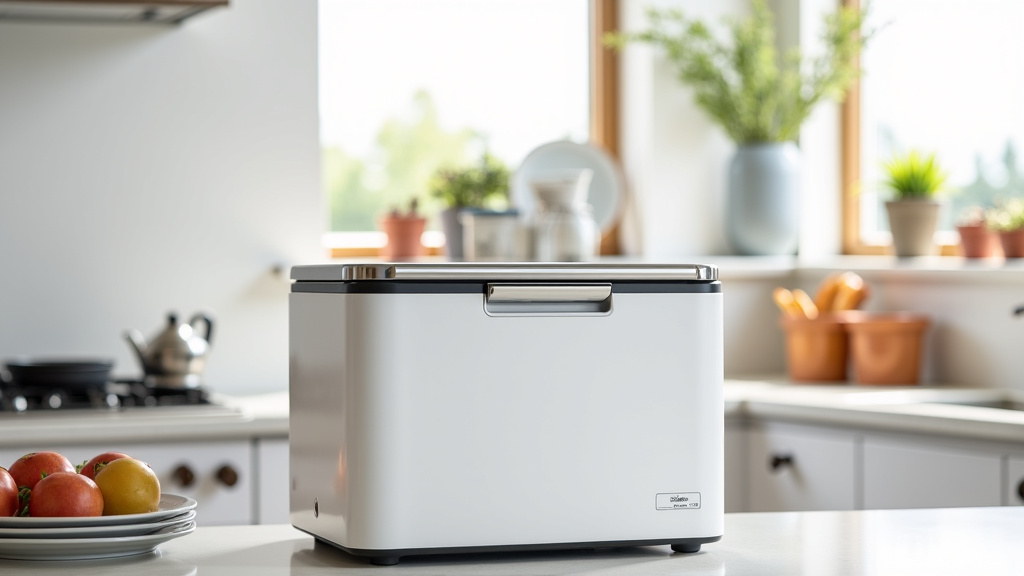
Dispensing Detergent and Rinsing Your Dishes
Using the right detergent is key for clean dishes. Most portable dishwashers use standard dishwasher detergent. You can use pods, powder, or gel. Check your manual for the recommended amount. You’ll typically add it to a dispenser inside the dishwasher door.
When to Add Detergent
Detergent is usually dispensed automatically during the main wash cycle. Make sure the dispenser door can open freely. Sometimes, if you’re running a quick wash cycle, you might need to add a little detergent directly into the tub. Always consult your owner’s manual for specific instructions.
Rinsing Aids for Spot-Free Results
Many people use a rinse aid. This is a liquid that helps water sheet off your dishes. It reduces water spots and speeds up drying. Most dishwashers have a separate dispenser for rinse aid. You’ll fill it up, and the dishwasher will release it during the final rinse cycle. It’s a simple step that can make a big difference in the shine of your dishes.
Comparing Portable Dishwashers: What the Data Shows
When researching portable dishwashers, you’ll find a range of features and price points. We found that models with multiple wash cycles often perform better across different types of loads. For instance, a delicate cycle can protect glassware, while an intensive cycle tackles baked-on food.
Here’s a quick look at what you might expect:
| Feature | Typical Benefit | Consideration |
|---|---|---|
| Compact Size | Fits on most countertops, ideal for small spaces. | Limited capacity compared to full-size models. |
| No Permanent Plumbing Needed | Easy installation, perfect for renters or temporary setups. | Requires faucet access and a nearby outlet. |
| Multiple Wash Cycles | Handles various dish types and soil levels effectively. | May increase price and complexity. |
| Energy Star Certified | Saves on electricity and water bills. | Look for the official label. |
| Quiet Operation (dB rating) | Less disruptive in open-plan living spaces. | Lower dB ratings are generally better. |
Many consumer reviews highlight that models with an auto-open door at the end of the cycle tend to have better drying results. This feature slightly lifts the door, allowing moist air to escape. This can be a game-changer for preventing water spots on glasses.
“`Conclusion
You’ve seen how portable countertop dishwashers offer a smart, flexible solution for cleaner dishes without fuss. These models connect easily to your faucet using an adapter, letting you skip plumbing projects. They save time and water compared to handwashing, making them ideal for apartments, small kitchens, or anyone seeking convenience. By considering size, capacity, and key features like wash cycles and energy efficiency, you can find a model that perfectly fits your needs. Ready to simplify your kitchen routine? Your next step is to measure your counter space and compare a few top-rated models to find the one that will make dish duty a breeze.
Frequently Asked Questions
Can I use my portable dishwasher if my faucet has a pull-out sprayer?
Many portable dishwashers are compatible with pull-out sprayers, but you’ll need to check the adapter’s design. Some adapters have a diverter that allows you to switch between the sprayer and the dishwasher connection. It’s best to consult your dishwasher’s manual or the manufacturer’s specifications to confirm compatibility.
How often do I need to refill the rinse aid?
The frequency of refilling rinse aid depends on the model and how often you use the dishwasher. Most dispensers hold enough rinse aid for several weeks or months of typical use. You’ll usually see an indicator light on the dishwasher when it’s time to refill.
Will a portable dishwasher clean heavily soiled pots and pans?
While portable dishwashers are effective for daily dishes, heavily soiled pots and pans might require pre-rinsing or a more intensive wash cycle. Some models offer “heavy” or “pots and pans” cycles designed for tougher jobs. For baked-on food, a quick scrape before loading can significantly improve results.
Is it safe to leave the water adapter connected to my faucet all the time?
It’s generally recommended to disconnect the adapter when the dishwasher is not in use. Leaving it connected might put unnecessary stress on your faucet’s threads or aerator. Plus, you’ll want your faucet to be fully functional for everyday tasks like washing hands or filling pots.
What’s the difference between an air-dry option and a heated dry option?
An air-dry option typically means the dishwasher door slightly opens after the cycle to let moist air escape, allowing dishes to dry naturally. A heated dry option uses a heating element to actively dry the dishes. Air-dry is more energy-efficient but may leave some items slightly damp, while heated dry offers faster, more complete drying.


