Portable Countertop Dishwasher with Water Tank
On this page (6 sections)
Yes, a portable countertop dishwasher with a water tank is a fantastic solution for small kitchens or when you don’t have direct plumbing access. It offers the convenience of a regular dishwasher without requiring major installation. You simply fill the tank with water and it’s ready to go.
These compact units are designed for easy setup and operation. They fit right on your countertop, making them ideal for apartments, RVs, dorm rooms, or any space where a full-sized dishwasher isn’t feasible. You get clean dishes without the hassle.
- A portable dishwasher with a water tank is a plumbing-free cleaning solution.
- It’s perfect for small spaces like apartments or RVs.
- You fill a tank with water for each wash cycle.
- It offers the convenience of machine washing for your dishes.
- Setup is generally quick and straightforward.
Let’s dive into what makes these water-tank models so useful and what you should consider when choosing one for your home.
So, you’re looking at a portable countertop dishwasher with a water tank. That’s a smart move if your kitchen is on the cozier side or if plumbing isn’t your friend. Think of it as a mini genie for your dishes. You pour the water in, press a button, and voilà – cleaner plates, less scrubbing. It’s about bringing that dishwasher convenience right to your countertop, no major renovation needed.
Understanding Your Water-Tank Dishwasher
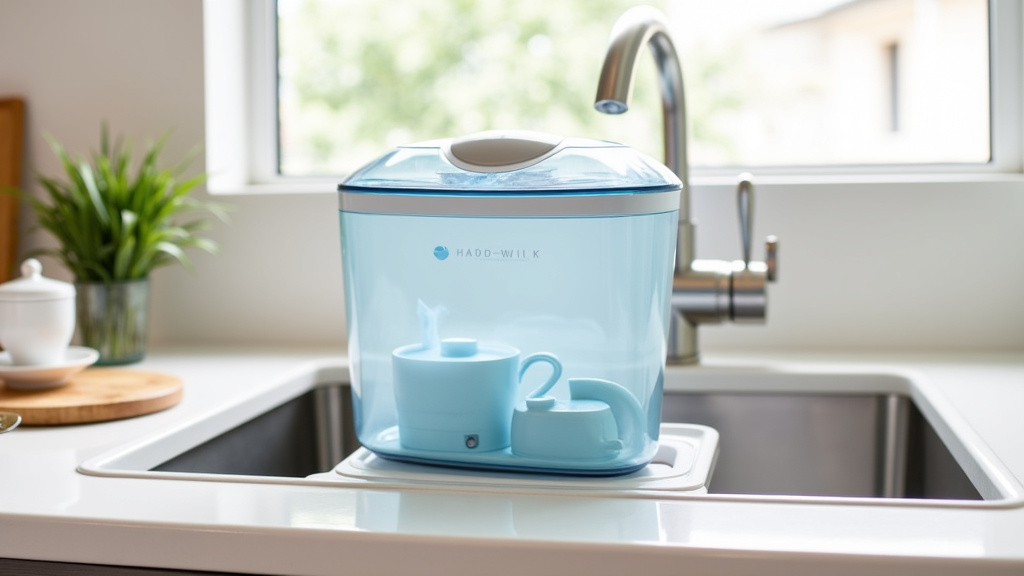
A portable dishwasher that uses a built-in water tank is a truly plumbing-free cleaning solution. You won’t need to hook it up to your sink’s faucet or drain. This makes it incredibly versatile. You can literally place it almost anywhere with a power outlet. It’s a popular choice for people living in apartments, RVs, dorm rooms, or even those who just want an extra dishwasher for entertaining.
How It Works: Simple Steps to Sparkling Dishes
The magic is in the water tank. You’ll find a compartment, usually at the top or front, where you pour in the water. Think of it like filling your coffee maker, but for dishes. Most models have a clear indicator telling you how much water to add. Once filled, you add your detergent, load your dishes, and select a wash cycle. The dishwasher then pumps the water from the tank to wash and rinse your dishes. It drains the dirty water into a separate removable tray or a small hose you might need to place in a sink or bucket.
Capacity: What Can You Actually Fit?
When we talk about capacity, it’s important to be realistic. These aren’t meant to tackle a Thanksgiving feast. Typically, a countertop dishwasher with a water tank can hold around 4 to 6 standard place settings. What does a place setting mean? It’s generally considered to be one dinner plate, one bowl, one saucer, one cup, one knife, one fork, and one spoon. So, if you’re a single person or a couple, it’s usually perfect for a day’s worth of dishes. For a family, you might need to run it once or twice a day, or wash smaller loads more frequently.
Key Features to Look For
Shopping for one of these can feel a bit like picking out a new kitchen appliance. There are a few things that really make a difference in daily use. We found that focusing on a few key features can help you make the best choice for your needs. You want something that’s easy to use and fits your lifestyle, right?
Water Tank Design and Ease of Filling
The water tank is the heart of this type of dishwasher. Some models have tanks that slide out, making them easier to fill at the sink. Others require you to pour water directly into a reservoir. Consider how accessible the fill point is. Is it easy to reach? Does it have a clear water level indicator? Many users prefer models where the tank is easily removable for filling and emptying. This little detail can make a big difference in your routine.
Wash and Dry Cycles: What Are Your Options?
Beyond a basic wash cycle, look at the different programs offered. Many models come with several options. You might find a quick wash for lightly soiled items, a heavy-duty wash for tougher messes, and an eco mode to save water and energy. Drying is another important feature. Some units use a fan to circulate air for drying, while others rely on residual heat from the wash cycle. Some may not have an active drying function at all, leaving your dishes slightly damp. Check the manual to understand the drying performance.
Noise Level: Will It Disturb Your Peace?
If you live in a small apartment or a studio, noise can be a big concern. Countertop dishwashers are generally quieter than their full-sized counterparts, but they still make noise. We found that decibel ratings (dB) can give you a good idea of how loud a unit is. Look for models that operate in the 50-60 dB range, which is roughly comparable to a normal conversation or a running refrigerator. Some models even have a “quiet” or “night” mode. It’s worth checking reviews for real-world feedback on noise.
Installation and Portability: Where Will It Live?
The beauty of these dishwashers is their portability. You don’t need a plumber. You just need a standard electrical outlet. Some models come with adapters that can connect to your faucet for water supply if you do want to use that option sometimes, or for draining. But for water tank models, it’s truly plug-and-play. Just ensure you have enough counter space for the unit itself, plus a little room to open the door and access the water tank.
Comparing Water Tank vs. Faucet Connect Models
It’s helpful to see how water tank models stack up against those that connect to your faucet. For a broader comparison, see portable and built-in hookups. Each has its own set of pros and cons, and the best choice depends on your living situation.
| Feature | Portable Dishwasher with Water Tank | Portable Dishwasher with Faucet Connect |
|---|---|---|
| Water Supply | Manual fill of internal tank | Connects to kitchen faucet |
| Installation | No plumbing required, plug-and-play | Requires faucet connection for water and drainage |
| Portability | High; can be used almost anywhere with power | Lower; needs to be near a faucet for use |
| Drainage | Removable tray or drain hose to sink/bucket | Drains through faucet connection hose |
| Ideal For | Apartments, RVs, dorms, kitchens without easy faucet access | Apartments, small kitchens where faucet access is readily available |
Who Benefits Most from a Water Tank Model?
You’ll love a water tank model if plumbing is a challenge for you. This could be due to rental agreements, building restrictions, or simply not having hookups near your chosen appliance spot. If you travel in an RV or live in a tiny home, this is often your only dishwasher option. We found that many users appreciate the freedom to place it wherever is most convenient, not just next to the sink. It’s about having choices!
Making the Most of Your Countertop Dishwasher
Once you have your new appliance, a few tips can help you get the best results. It’s not quite like a full-sized dishwasher, but it can be just as effective with a little know-how. Think of it like learning to use any new tool.
Tips for Efficient Washing and Loading
Don’t overload it. Overcrowding is the quickest way to get dirty dishes. Make sure the spray arms can spin freely. Scrape off large food scraps, but pre-rinsing isn’t usually necessary. Most modern dishwashers are designed to handle that. When loading, face the dirtiest surfaces towards the spray arms. For glasses and cups, turn them upside down. This helps water drain properly.
Detergent Use: Less is Often More
Countertop dishwashers use less water per cycle, so they also require less detergent. Using too much can actually leave a residue on your dishes. Most manufacturers recommend using only a small amount, often about 1-2 tablespoons of liquid detergent or one small pod (if compatible). Always check your dishwasher’s manual for specific recommendations. We found that starting with less detergent and adding a bit more if needed is a good approach.
Maintenance for Longevity and Performance
Keeping your dishwasher clean ensures it runs efficiently and your dishes come out sparkling. Regularly clean the filter at the bottom of the wash tub. This traps food particles. Many are removable and can be rinsed under running water. Also, wipe down the interior door seal to prevent grime buildup. Periodically run an empty cycle with a dishwasher cleaner or vinegar to help descale and freshen the machine. This helps prevent mineral deposits (Cleveland Clinic).
Checklist for Choosing Your Dishwasher
Before you click “buy,” take a moment to run through this quick checklist:
- Does it have a water tank design?
- Is the water tank easy to fill and empty?
- Does it have enough capacity for your typical needs?
- Are the wash cycles suitable for your dish types?
- Is the noise level acceptable for your living space?
- Do you have a suitable spot with a power outlet?
Conclusion
You’ve seen how a portable countertop dishwasher with a water tank can bring dishwashing convenience to nearly any space. These models are excellent for smaller kitchens or where plumbing is a barrier. They offer a simple, plumbing-free way to clean your dishes. Remember to consider the water tank’s ease of use, the available wash cycles, and the unit’s noise level. By checking our guide and checklist, you’re well-equipped to choose the right model. Ready to ditch the sponge? Your next step is to measure your counter space and start comparing your top picks.
Frequently Asked Questions
Do I need to clean the water tank regularly?
Yes, it’s important to clean the water tank regularly. This helps prevent odors and ensures clean water for each wash cycle. Most manufacturers recommend wiping it down after each use and running an empty cleaning cycle periodically.
Can I use regular dishwasher pods in a countertop model?
While some countertop dishwashers can use pods, it’s not always recommended. Many water tank models are designed for liquid detergent. Check your dishwasher’s manual to see if it’s compatible with pods and what size or type is safe to use.
How long does a wash cycle typically take?
Wash cycle times can vary depending on the model and the selected program. A quick wash might take around 30 minutes, while a heavy-duty cycle could last 1.5 to 2 hours. Always refer to your dishwasher’s specifications for exact timings.
Will a water tank dishwasher leave my dishes completely dry?
Drying performance can differ. Some units use a fan for active drying, while others rely on residual heat. You might find that some dishes, especially plastics, remain slightly damp. Allowing them to air dry for a few extra minutes is often all that’s needed.
Is a water tank dishwasher energy efficient?
Generally, these compact dishwashers use less water and energy per cycle compared to full-sized models because they’re washing smaller loads. Many also offer eco modes to further reduce consumption. They are a good choice for saving resources.


