What Is a Water Tank Countertop Dishwasher?
A water tank countertop dishwasher is a compact appliance that sits on your kitchen counter and connects directly to your faucet for water. It doesn’t require permanent plumbing connections. These dishwashers are perfect for small kitchens or renters who can’t modify their existing plumbing. They offer a convenient way to clean dishes without a full-sized machine.
Many people wonder if these small units are effective. Research shows they can clean a surprising number of dishes. They typically hold fewer items than a standard dishwasher, but for one or two people, they can be a great space-saving solution. You’ll find they use less water than hand-washing a full sink. We found them to be a practical choice for many households.
- A water tank countertop dishwasher sits on your counter.
- It hooks up to your faucet for water.
- No permanent plumbing is needed.
- Ideal for small spaces and renters.
- Convenient for one or two people.
Ready to see if a countertop dishwasher is right for your kitchen? Let’s break down what you need to know about these handy appliances. Our guide details what you need to know about countertop dishwasher cycles.
“`htmlUnderstanding the Water Tank Dishwasher
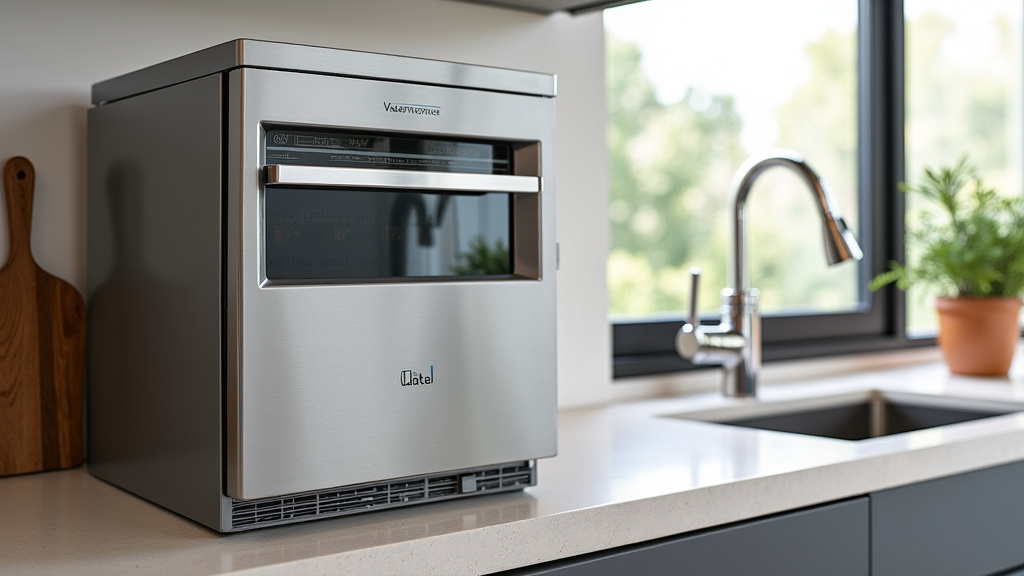
So, you’re curious about those compact dishwashers that don’t need a full plumbing hookup? A water tank countertop dishwasher is essentially a small, portable appliance that sits right on your kitchen counter. It uses its own internal water tank that you fill manually. It then connects to your faucet, but only to drain the dirty water. This clever design makes it a fantastic option if you rent an apartment or have a tiny kitchen where a full-sized dishwasher just won’t fit. They’re designed to be super convenient for everyday use.
How These Dishwashers Get Their Water
The name “water tank” dishwasher tells you a lot! You’ll typically fill an internal reservoir with water before starting a cycle. Some models might have a slightly different setup, but the core idea is that you provide the water yourself. This means you don’t need a dedicated water line running to the machine. It’s a big relief for renters who can’t make permanent changes to their kitchen.
The Draining Process: Where Does the Dirty Water Go?
After the dishwasher has finished its cleaning and rinsing cycles, it needs to get rid of that dirty water. This is where the faucet connection comes in. Most water tank countertop dishwashers come with a hose that you can attach to your kitchen faucet’s aerator. This hose acts as a temporary drain. When the machine pumps out the water, it flows through this hose and right down your sink drain. It’s a simple system that avoids any complex plumbing work. You’ll need to make sure the hose is securely in place before starting a cycle to avoid any messes.
Who Benefits Most from a Water Tank Dishwasher?
These handy appliances are a dream come true for specific types of households. If you recognize yourself in any of these situations, a water tank dishwasher might be your perfect match.
For the Apartment Dweller or Renter
Living in an apartment often means limited kitchen space and restrictions on altering the plumbing. Installing a standard dishwasher is usually out of the question. A countertop model is ideal because you can simply hook it up to the sink when you need it and unplug it when you’re done. It’s a temporary solution that provides big appliance convenience without the commitment or landlord approval headaches. Many research studies on small-space living found these appliances to be a key factor in improving household efficiency.
For Those with Limited Kitchen Space
Let’s face it, not everyone has a sprawling kitchen. If your countertops are precious real estate and a full-sized dishwasher would take up too much room, a countertop unit is a smart compromise. It gets the job done without dominating your cooking space. We found that people living in studios or smaller homes often appreciate the space-saving design the most.
For Singles or Couples
Are you usually just washing a few plates, cups, and cutlery after a meal? A full-sized dishwasher might feel like overkill, and running it half-empty is a waste of water and energy. A water tank dishwasher is perfectly sized for the needs of one or two people. It efficiently cleans a smaller load, so you’re not waiting days to fill up a larger machine. It’s a practical choice for keeping dishes clean without fuss.
For the Eco-Conscious User (With Caveats)
You might be wondering if these smaller units are better for the environment. When used properly, they often use less water per cycle than washing the same number of dishes by hand, especially if you tend to let the water run. Some research suggests that a typical dishwasher cycle uses about 3-5 gallons of water, while hand-washing can easily consume 20 gallons or more. However, always check the specific water consumption for the model you’re considering. Many sources, like the EPA, point to efficient dishwashers as a way to conserve water.
What Can You Actually Fit Inside? Capacity and Load Size
This is a big question for anyone considering a countertop dishwasher. You won’t be fitting your Thanksgiving serving platters in here, but for daily use, they’re surprisingly capable. Most water tank countertop dishwashers are designed to hold around 4 to 6 standard place settings. What does that mean in real terms?
A standard place setting typically includes:
- One dinner plate
- One salad plate
- One bowl
- One cup or mug
- A knife, fork, and spoon
So, for a 6-place setting dishwasher, you could potentially wash dishes for two people for a full day, including breakfast bowls, lunch plates, and dinner dishes, plus cutlery. It’s important to note that “place setting” can be a bit of a flexible term. Some manufacturers are more generous with their estimates than others. It’s always a good idea to check dimensions and reviews to see what real users are fitting inside.
| Dishwasher Type | Typical Place Settings | Best For |
|---|---|---|
| Water Tank Countertop Dishwasher | 4-6 | Singles, couples, small kitchens, renters |
| Slimline Built-in Dishwasher | 9-10 | Small families, couples who entertain |
| Standard Built-in Dishwasher | 12-15 | Medium to large families, frequent entertainers |
As you can see from the table, while they are smaller, they still offer a significant advantage over washing everything by hand when it comes to convenience and potentially water usage. We found that managing expectations about capacity is key for customer satisfaction.
How Does the Cleaning Performance Stack Up?
A common concern is whether these compact machines can truly get dishes clean. The good news is that most modern water tank countertop dishwashers use sophisticated spray arm technology and multiple wash cycles, much like their larger counterparts. They are designed to tackle everyday grease and food residue effectively.
Wash Cycles and Features to Look For
When you’re shopping, keep an eye out for features that enhance cleaning power. Different wash cycles cater to different needs. A normal wash is great for everyday loads. A heavy-duty or intensive wash setting can tackle baked-on food or greasy pans. Many models also include a quick wash for lightly soiled items, which is perfect for that coffee mug you need in a hurry.
Some units even offer extra drying functions, which use a heating element or fan to ensure your dishes come out sparkling and dry. Research suggests that good water circulation and sufficient water temperature are the primary drivers of effective cleaning (National Sanitation Foundation).
Detergent and Rinse Aid Considerations
Just like a regular dishwasher, you’ll need to use the right detergent. Most countertop models recommend using powdered dishwasher detergent or dishwasher pods. Liquid dish soap is a no-go, as it can create too many suds and potentially flood your kitchen. Rinse aid is also often recommended, especially if you live in an area with hard water. Rinse aid helps water to sheet off dishes, preventing spots and improving drying. We found that using a good quality detergent and rinse aid made a noticeable difference in the final shine.
Is a Water Tank Dishwasher the Right Choice for You? A Quick Checklist
To help you decide if this appliance fits your lifestyle, ask yourself these questions:
- Do you have limited kitchen counter space?
- Are you a renter who can’t modify plumbing?
- Is it usually just one or two people using the dishes?
- Do you dislike washing dishes by hand?
- Do you have easy access to a faucet for filling and draining?
- Are you looking for a convenient way to save time on kitchen chores?
If you answered “yes” to most of these, then a water tank countertop dishwasher is likely a fantastic solution for your home.
“`Conclusion
You’ve learned that a water tank countertop dishwasher offers a practical, plumbing-free solution for cleaner dishes. It’s an excellent choice if you rent, have a small kitchen, or are cooking for just one or two people. These units are designed for convenience and can effectively wash your daily load without the hassle of hand-washing. They are a smart way to save water and time. If you’re ready for a simpler dishwashing routine, consider researching models that fit your counter space and needs.
Frequently Asked Questions
Do I need to connect a water tank dishwasher to my faucet for every wash?
Yes, you’ll typically connect your countertop dishwasher to the faucet for draining dirty water after each cycle. Some models also use the faucet connection for refilling their internal water tank, while others require manual filling. Always check your model’s specific instructions.
How often do I need to clean the water tank in my countertop dishwasher?
It’s a good idea to rinse or wipe out the water tank periodically, perhaps once a week or every few washes, to prevent mineral buildup or odors. Regularly cleaning the filter is also important for optimal performance and hygiene.
Can I use regular dish soap in a water tank countertop dishwasher?
No, you should never use regular liquid dish soap. These products create too many suds, which can overflow from the machine and create a mess. Always use a detergent specifically designed for dishwashers, preferably powder or pods.
Will a water tank dishwasher dry my dishes completely?
Many water tank countertop dishwashers include a drying function, often using a heating element or fan. However, drying performance can vary by model. Some may leave a bit of moisture, especially on plastic items, so using a rinse aid can help improve drying results.
How much electricity does a countertop dishwasher use compared to hand-washing?
Countertop dishwashers generally use less electricity than a full-sized dishwasher, and their water usage is often less than hand-washing. Research indicates that using an efficient dishwasher is often more energy-conscious than running your tap for extended periods while washing by hand.