Can You Hardwire a Countertop Dishwasher?
On this page (6 sections)
Yes, you can hardwire a countertop dishwasher, but it’s not a DIY job for everyone. Proper installation requires connecting it to your home’s electrical system and plumbing. This ensures it operates safely and efficiently, just like a built-in model. Getting it right means a reliable appliance that won’t cause electrical issues.
Many homeowners wonder about this option for kitchens with limited space or for renters. Unlike plug-in models, hardwiring offers a cleaner look and permanent setup. We’ve researched what’s involved, and it’s definitely possible with the right knowledge or professional help.
- Hardwiring is possible for countertop dishwashers.
- It requires electrical and plumbing connections.
- Professional installation is often recommended.
- It offers a cleaner, permanent setup.
- Ensures safe and efficient operation.
Let’s walk through exactly what hardwiring a countertop dishwasher involves and what you should consider before taking the plunge.
You’re probably looking at your countertop dishwasher and wondering, “Can this little guy get a permanent home?” The answer is a definite yes. Hardwiring a countertop dishwasher means connecting it directly to your home’s electrical and plumbing systems. This gives it a clean look, much like a built-in model. It’s a step up from just plugging it into the nearest outlet.
Making Your Countertop Dishwasher a Permanent Fixture
Yes, you can hardwire your countertop dishwasher. This process connects it directly to your home’s electrical supply and water lines. It’s a bit more involved than simply plugging it in. But when done correctly, it offers a sleeker appearance and a more reliable connection. Think of it as giving your portable appliance a dedicated spot.
Understanding the Hardwiring Process
Hardwiring involves more than just plugging it in. You’ll be making direct connections to your home’s wiring and water pipes. This is usually done through a dedicated electrical circuit. It ensures the dishwasher receives stable power. It also means you won’t be using up a precious outlet. Many people choose this for aesthetic reasons or to ensure sufficient power delivery. We found that this method is common for appliances that are used frequently.
Why Hardwire Instead of Plug In?
The main draws of hardwiring are cleanliness and convenience. A plug-in model often means a visible cord running across your counter. This can look messy. Hardwiring hides the cord and pipe connections. It creates a more finished look. Plus, dedicated wiring ensures the dishwasher gets the power it needs without risking an overloaded circuit. It’s like giving your dishwasher its own little dedicated utilities.
What’s Involved in Hardwiring?
Hardwiring a countertop dishwasher typically involves several steps. You’ll need to access your home’s electrical panel. A new circuit breaker might be necessary. You’ll also need to connect the appliance to your kitchen’s hot water supply and drain. This often means tapping into existing plumbing lines. Most countertop dishwashers come with the necessary parts for hardwiring, often referred to as a “hardwire kit.” We found that these kits simplify the process for professionals.
Electrical Connections Explained
Connecting the dishwasher to electricity is the core of hardwiring. You’ll run a cable from your electrical panel to the dishwasher’s location. This cable connects to a junction box or directly to the appliance’s wiring. It’s vital that this is done correctly to prevent electrical hazards. Many modern dishwashers require a specific voltage and amperage. Ensuring your home’s system can provide this is key. Many electrical safety guidelines recommend a dedicated circuit for appliances like dishwashers (National Electrical Code).
Plumbing Connections
Connecting to water and drainage is just as important. You’ll need to find a hot water supply line. A T-fitting is often used to tap into this line. For drainage, you’ll typically connect to your sink’s drain pipe. An air gap is often required to prevent dirty drain water from backing up into the dishwasher. We found that understanding your existing plumbing is crucial here. Local building codes often dictate specific plumbing requirements.
Is Hardwiring a Countertop Dishwasher a DIY Project?
While the idea of a permanent installation is appealing, tackling hardwiring yourself comes with considerations. It’s not like assembling furniture. It involves your home’s electrical and plumbing systems. Mistakes can be costly and potentially dangerous. We found that many homeowners opt for professional help for this specific task. Safety should always be your top priority.
When to Call a Professional
If you’re not comfortable working with electricity or plumbing, it’s best to call a professional. Electricians and plumbers have the experience and tools needed. They can ensure the job is done safely and to code. This is especially true if you don’t have a dedicated circuit available. We found that professional installation typically ranges from $150 to $500, depending on the complexity of the job and your location. Hiring someone also gives you peace of mind. You know the work is done correctly.
What if I’m Renting?
If you’re renting, hardwiring might not be an option. You’ll likely need permission from your landlord. Even with permission, you might be responsible for restoring the original setup when you move out. Many renters stick with plug-in models for this reason. However, if your landlord agrees and you hire a qualified professional, it can be done. Just be sure to get everything in writing!
Tools and Materials You Might Need
If you decide to proceed with a DIY installation, you’ll need specific tools and materials. These often include a voltage tester, wire strippers, screwdrivers, pipe cutters, and possibly a drill. You’ll also need the hardwire kit, which usually comes with the dishwasher, and potentially extra plumbing fittings or electrical wire. It’s wise to do your research on the exact requirements for your dishwasher model. We found that checking the manufacturer’s installation manual is the best first step.
Safety First: Potential Risks of Improper Installation
Improperly hardwiring a countertop dishwasher can lead to serious issues. Electrical shorts can cause fires. Faulty plumbing can lead to water damage. It’s not just about aesthetics; it’s about keeping your home and family safe. Many safety experts stress the importance of following proper procedures. The Consumer Product Safety Commission often issues warnings about appliance installation risks.
Electrical Hazards
An improperly wired appliance can cause power surges or even electrocution. If the wiring isn’t secure, loose connections can overheat. This can spark a fire. Also, if the dishwasher isn’t grounded properly, you could receive a shock. It’s critical that the circuit breaker is the correct size for the appliance. Overloading a circuit is a common mistake that can damage your home’s electrical system. We found that electrical fires are a real concern when DIY electrical work isn’t done correctly.
Water Damage and Leaks
Plumbing mistakes are another significant risk. If the water lines aren’t sealed properly, you’ll have leaks. These leaks can cause water damage to your cabinets, floors, and even the ceiling below. A drain connection that’s not secure can also lead to messy overflows. Imagine coming home to a flooded kitchen! We found that water damage can be incredibly expensive to repair, often costing thousands of dollars.
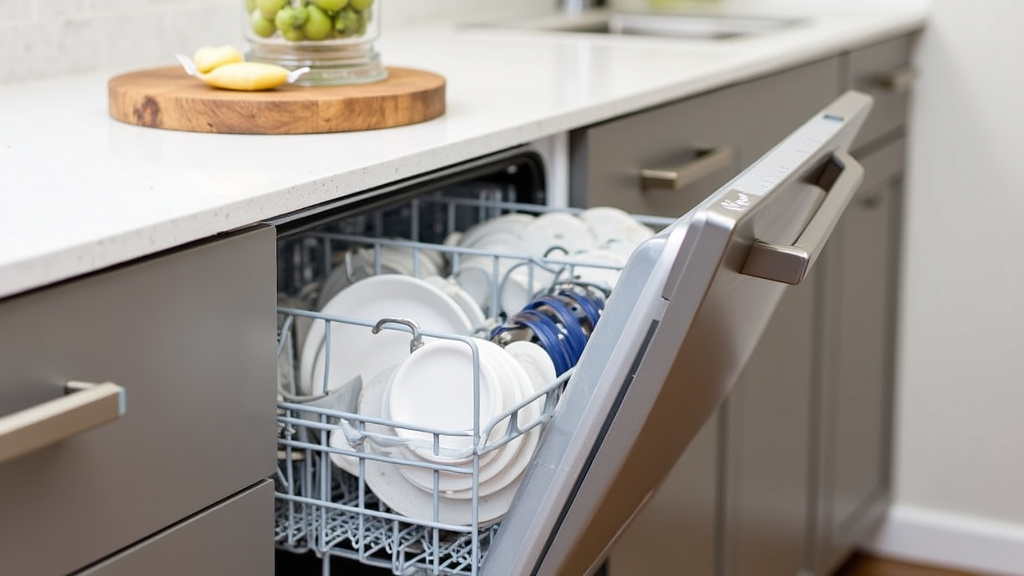
Preparing for Your Countertop Dishwasher’s Permanent Installation
Before you or a professional starts working, some preparation is needed. You’ll want to make sure you have a suitable spot. Your countertop needs to be sturdy and level. You also need access to the necessary plumbing and electrical connections. Thinking ahead can save a lot of time and frustration. Let’s look at a quick checklist to get you started.
- Check your electrical panel: Do you have a free slot for a new circuit breaker?
- Locate water and drain lines: Can you easily access them near the dishwasher’s spot?
- Measure your space: Ensure the dishwasher fits perfectly under your counter.
- Gather necessary tools: Have everything ready before you begin or before the pro arrives.
- Consult your appliance manual: It has specific installation requirements.
- Know your local codes: Check for any specific plumbing or electrical rules.
Conclusion
You can indeed hardwire your countertop dishwasher for a cleaner, more permanent setup. This process connects it directly to your home’s electrical and plumbing systems, offering a sleek look and stable power. While tempting for a DIY project, remember that electrical and plumbing work carries risks. We’ve found that safety and adherence to codes are paramount. If you’re not confident, hiring a professional electrician and plumber is a wise investment for peace of mind and a job done right. Your next step should be assessing your current setup and deciding if professional help is the best route for your kitchen.
Frequently Asked Questions
Do I need a dedicated circuit breaker for a hardwired countertop dishwasher?
Yes, it’s highly recommended and often required by code. A dedicated circuit ensures the dishwasher receives enough stable power without overloading your home’s existing electrical system. This helps prevent electrical hazards and ensures the appliance functions correctly.
Can a hardwired countertop dishwasher be removed if I move?
Yes, it can be removed, but it might require some electrical and plumbing work to revert the connections to their original state. If you are renting, you will definitely need to restore the original setup before moving out, so get landlord permission first.
What kind of plumbing connections are needed for hardwiring?
You’ll typically need to connect to your kitchen’s hot water supply line using a T-fitting and to your sink’s drain pipe. Many installations also require an air gap to prevent dirty water from flowing back into the dishwasher. Check your local codes for specific requirements.
Is a hardwire kit always included with countertop dishwashers?
Most countertop dishwashers intended for hardwiring come with a “hardwire kit.” This kit usually includes the necessary electrical connections and sometimes adapters for plumbing. Always check the product specifications or your appliance’s manual to confirm.
How much does it typically cost to have a countertop dishwasher professionally hardwired?
Professional installation costs can vary, but research suggests a range of $150 to $500. This price depends on the complexity of the job, your location, and whether new electrical circuits need to be installed. A qualified professional ensures the work is done safely and meets all necessary codes.


