What Is an Air Gap on a Countertop Dishwasher?
On this page (3 sections)
An air gap on a countertop dishwasher is a small, visible break in the plumbing system. It prevents dirty drain water from flowing back into your clean dishes. This simple device is a crucial safety feature for your kitchen.
Think of it like a mini moat. When your dishwasher drains, the water goes through this gap before reaching your sink drain. This separation ensures that contaminated sink water can never re-enter your dishwasher. It’s a clever, low-tech way to maintain hygiene.
- An air gap is a plumbing break.
- It stops dirty water from backing up.
- It’s a key safety feature for dishwashers.
- Easy to spot, simple to understand.
Let’s walk through exactly what an air gap is and why you might see one on your countertop dishwasher.
Understanding Your Countertop Dishwasher’s Air Gap
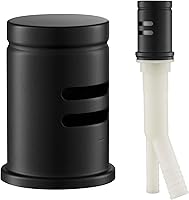
You might be wondering what that small, often cylindrical, piece of plastic is sticking up from your sink or countertop. That’s your air gap! It’s a simple but important plumbing device. Its main job is to keep your kitchen safe and hygienic.
Think of it as a tiny, but very effective, guardian. It sits between your dishwasher’s drain hose and your sink’s drain. This separation prevents nasty sink water from ever sloshing back into your clean dishes. It’s a clever piece of engineering for a common household appliance.
What Exactly Is an Air Gap?
An air gap is essentially a break in the drainage line. It’s designed to allow air into the system. This air prevents a siphon effect. Without it, dirty water from your sink could be pulled back into your dishwasher’s clean water supply.
Many health departments require them. They are a common sight on dishwashers, including countertop models. It’s a simple way to meet plumbing codes and ensure food safety. You’ll usually find it mounted near your faucet, looking like a small cap or dome with a hose attached.
How Does the Air Gap Work on a Countertop Dishwasher?
The process is quite straightforward. When your dishwasher finishes a cycle, it pumps the dirty water out through its drain hose. This hose typically connects to a fitting under your sink or directly to the air gap device.
From the air gap, the water then flows down another hose to your sink’s drain pipe. The magic happens at the air gap itself. Because there’s a physical break with air present, the dirty sink water cannot travel uphill and back into the dishwasher. It’s a passive system that relies on gravity and air.
The Drainage Process Explained
Imagine the dirty water leaving your dishwasher. It travels through the drain hose. This hose leads to the air gap fitting. Inside the fitting, the water drops into an open chamber. This chamber is open to the air.
Then, the water exits the air gap through a second hose. This hose goes to your sink drain. If the sink drain is backed up, the dirty water might rise. But it will only rise within the air gap fitting. It can never get past the air break to re-enter the dishwasher.
Why Do Some Countertop Dishwashers Need an Air Gap?
The primary reason is public health and safety. Regulations often mandate air gaps to prevent cross-contamination. This is especially important in areas where plumbing systems might be older or prone to backups. It’s a preventative measure against illness.
Some local plumbing codes require an air gap for all dishwashers, regardless of size. Other times, the dishwasher manufacturer might specify it. It depends on the dishwasher’s design and the intended installation environment. It ensures that the water discharged is truly wastewater and never mixes with your clean supply.
Where is the Air Gap Located?
On a countertop dishwasher, the air gap is usually mounted on the countertop or sink deck. You’ll often see it near the faucet assembly. It typically has a cap that you can lift off.
Underneath this cap, you’ll see a fitting where the dishwasher drain hose connects. There’s also another connection for a hose that leads to the sink drain. Its placement makes it easily accessible for inspection or cleaning. It’s a visible part of your plumbing.
Identifying the Air Gap Component
The air gap unit itself is usually a small, plastic cylinder. It might be white, chrome-colored, or clear. It stands a few inches tall. You’ll notice one or two hoses connected to it.
The dishwasher drain hose connects to one inlet. The outlet hose runs to your sink drain pipe. Sometimes, it looks like a small dome with a decorative cover. The key is that it creates a vertical break in the drain line, allowing air to enter.
What About Countertop Dishwashers Without an Air Gap?
It’s true that not all countertop dishwashers have a visible air gap mounted on the sink. Some manufacturers design their dishwashers differently. They might incorporate the air gap function internally, or they might allow for a different type of drainage connection.
For instance, some models connect the drain hose directly to the sink drainpipe under the sink. In these cases, the dishwasher might have an internal check valve. This valve is designed to prevent backflow. However, many plumbing codes still require an external air gap to be installed, even with these internal features. It’s always best to check your local plumbing codes and the dishwasher’s installation manual.
Alternative Drainage Methods
If your countertop dishwasher doesn’t have an external air gap unit on the sink, it likely connects directly to the sink drain or a garbage disposal. This connection might be made with a special fitting.
The goal remains the same: to safely discharge wastewater. However, without the visible air gap, there’s an increased reliance on the appliance’s internal mechanisms or the proper installation of the drain hose. Some cities or regions mandate the air gap regardless of the dishwasher’s internal design for added safety.
Do You Need to Install an Air Gap?
Whether you need to install an air gap depends on a few factors. Local plumbing codes are the most important. Many municipalities require them by law for all dishwashers. Even if your dishwasher came without one, you might be legally obligated to install one if you’re hooking it up to your plumbing.
Always consult your local building or plumbing department. They can tell you exactly what is required in your area. The dishwasher’s installation manual will also provide guidance. It’s better to be safe and comply with regulations than to face potential issues later.
Maintenance and Cleaning of Your Air Gap
Air gaps are generally low-maintenance. However, like any part of your plumbing, they can sometimes get clogged. Food particles or debris can accumulate inside the air gap fitting.
If you notice your dishwasher is draining slowly or you hear gurgling noises from the air gap, it might be time for a quick clean. You can usually just lift the cap off the air gap. Then, gently clean out any visible debris with a small brush or cloth. Rinse it thoroughly. This simple step can help prevent drainage problems.
Troubleshooting Common Air Gap Issues
The most common issue is a clogged air gap. This can cause your dishwasher to not drain properly. If you see water backing up into the sink when the dishwasher drains, the air gap might be blocked or the drain line itself could be the problem.
Another potential issue is a loose connection. Ensure all hoses are securely attached to the air gap fitting. A leak at the air gap could mean water damage. Always double-check connections after installation or cleaning.
Checking Your Air Gap Installation
Ensuring your air gap is installed correctly is vital for its function. The drain hose from the dishwasher should connect to the inlet port of the air gap. The outlet port should then connect to a dedicated nipple on your sink drain or garbage disposal.
The air gap unit itself should be mounted securely to the countertop or sink deck. It needs to be above the flood level of your sink. This ensures that even if the sink is full, dirty water cannot backflow into the air gap. A proper installation is key to its effectiveness and safety.
When to Call a Professional
Most air gap maintenance is simple enough for a homeowner to handle. However, if you’re unsure about installation or if you encounter persistent drainage problems, it’s wise to call a qualified plumber. They have the tools and expertise to diagnose complex plumbing issues.
Especially if you suspect a clog deep in the drain line or if you’re uncomfortable working with plumbing connections, a professional can ensure the job is done right. This can save you time, prevent potential water damage, and give you peace of mind.
Key Takeaways for Your Air Gap
- An air gap is a safety device preventing dirty water backflow.
- It creates a physical break in the drain line.
- Check your local plumbing codes to see if one is required.
- Keep the air gap clean to ensure proper drainage.
- If in doubt, always consult a professional plumber.
- It’s usually a small, visible unit near your faucet.
Conclusion
Understanding your countertop dishwasher’s air gap is key to a safe and clean kitchen. This simple plumbing device acts as your first line of defense against dirty water contamination. It ensures that your clean dishes stay that way by creating a physical barrier in the drain line. Always remember to check local plumbing codes, as many areas require these safety features. Keeping your air gap clean will help prevent drainage issues and keep your dishwasher running smoothly. If you ever feel unsure about installation or maintenance, don’t hesitate to call a qualified plumber for professional assistance. Understanding your countertop dishwasher’s air gap is key to a safe and clean kitchen.
Frequently Asked Questions
What happens if my air gap gets clogged?
A clogged air gap can cause your dishwasher to drain slowly or not at all. You might hear gurgling noises from the unit. If you notice this, it’s time to clean the air gap fitting.
Can I remove the air gap on my countertop dishwasher?
You should only remove or alter your air gap if your local plumbing codes permit it. Many areas require them by law to prevent contamination, so removal could be a code violation.
How often should I clean my air gap?
It’s a good idea to check and clean your air gap every few months, or whenever you notice slow draining. Regular checks can prevent bigger problems down the line.
Is an air gap the same as a dishwasher air vent?
No, they are different. An air gap is a plumbing device to prevent backflow. An air vent, in some contexts, might refer to a device that releases pressure, but the air gap’s function is strictly for hygiene and safety from contaminated water.
What if my countertop dishwasher manual doesn’t mention an air gap?
Even if your manual doesn’t specify an air gap, your local plumbing codes might still require one. Always verify local regulations before installation or if you’re questioning its necessity.