Can a Portable Dishwasher Be Built In?
A portable dishwasher can be built in only if its manufacturer supports that conversion and the unit can be safely fitted with the right water, drain, electrical, and mounting connections. Check the model manual before removing its cabinet or changing its plumbing.
On this page (7 sections)
- Can a portable dishwasher be built in?
- What should you check before changing the installation?
- What changes between portable and built-in hookups?
- Can you use an under-counter mounting bracket?
- How do you know if the dishwasher will fit?
- When should you hire an installer?
- What should you do if the model isn't approved?
A portable dishwasher can be built in only when its manufacturer approves that setup and the model supports the needed water, drain, electrical, and mounting connections. Check the manual before removing its cabinet, changing hoses, or fastening it under a counter.
Some portable models have finished sides and a worktop and are meant to stand beside a sink. Others may have installation instructions that allow a different arrangement.
The model number, manual, and manufacturer guidance are the deciding factors.
Can a portable dishwasher be built in?
A portable dishwasher can be built in only if the specific model is approved for built-in installation. A cabinet opening that looks large enough does not confirm that its plumbing, wiring, ventilation, or mounting will work.
Portable units often connect to a sink faucet and drain into the sink. A built-in setup usually needs a fixed water supply and drain connection, plus an electrical connection that follows the appliance instructions and local rules.
Don't remove the outer cabinet or alter the appliance to make it fit unless the manufacturer provides conversion instructions. Changing the enclosure can affect access, heat clearance, stability, and serviceability.
If you want the appliance tucked away, first consider whether you can place a portable unit inside a cabinet while keeping it usable as designed. Our guide to a portable dishwasher in a cabinet covers that option.
What should you check before changing the installation?
Check the manual, model dimensions, clearances, connections, and approved mounting points. These details determine whether the dishwasher can be installed safely in the space you have.
Measure the opening's width, height, and depth, including the path for hoses, power, and any required air space. Compare those measurements with the appliance's dimensions and installation instructions, not just the outside dimensions of the cabinet.
Then check whether the model supports a permanent water line and drain hose. Confirm the electrical requirements, shutoff access, and whether the unit needs a specific support or anchoring method.
If you can't find instructions for built-in installation, contact the manufacturer with the full model number. Don't infer compatibility from a similar model or from the fact that the portable unit fits under a counter.
What changes between portable and built-in hookups?
A portable dishwasher normally uses a temporary sink connection, while a built-in unit uses connections routed to the cabinet. Conversion requires compatible connections and approved installation steps for the exact model.
A portable unit may use a faucet adapter and a drain hose placed in the sink. A built-in arrangement needs a suitable water supply line, drain routing, and electrical setup, with access to shutoffs and service points.
Never connect a dishwasher to a faucet or household line in a way that conflicts with its manual. Incorrect fittings, leaks, or a badly routed drain can cause water damage.
For a closer look at the differences, see portable countertop dishwasher hookup vs built in.
If your appliance is actually a countertop model, its setup can differ from a full-size portable dishwasher. Follow its own instructions, or review how to set up a portable countertop dishwasher.
Can you use an under-counter mounting bracket?
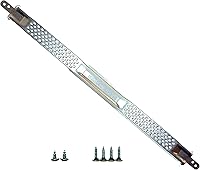
Use a mounting bracket only when the dishwasher's installation instructions call for a compatible bracket. A bracket can help anchor an approved under-counter dishwasher, but it cannot make a portable model suitable for conversion.
Countertop material matters too. Some brackets are made for solid surfaces such as granite or quartz, where screws cannot be fastened directly into the counter.
The bracket must still match the appliance's mounting points and width.
The EZVENTURES bracket is made from 22-gauge galvanized steel, includes mounting screws, and is described for use with common 24 in dishwashers and solid-surface counters.
The IWIWE W10426979 bracket is described for most slim 18 in dishwashers and solid-surface counters. Its compatibility notes exclude standard 24 in dishwashers, so check the dishwasher size and fit before choosing it.
Kelaro's EZ bracket is described for common 24 in dishwashers and solid-surface counters. Its compatibility notes exclude thin 18 in dishwashers.
For other bracket options, compare this guide to the best 18 inch dishwasher mounting bracket. Confirm the appliance's size and mounting instructions before buying any bracket.
How do you know if the dishwasher will fit?
Measure the appliance and opening, then confirm the required clearances in the manual. Dishwashers sold in different widths are not interchangeable just because a cabinet opening seems close.
Measure the usable cabinet width, height, and depth, including trim and any obstructions. Leave room for the door to open and for the hoses and power connection to reach their approved locations without pinching or stretching.
A standard-width built-in dishwasher and a slim model can need different openings and hardware. If you are unsure what width you have, our guide explains whether there is a standard dishwasher size.
Avoid trimming cabinets or removing an appliance panel until you know the model's required opening and installation method. If the measurements don't work, choose an appliance designed for that space.
When should you hire an installer?
Hire a qualified installer if the conversion needs fixed plumbing, electrical work, cabinet changes, or an installation method the manual doesn't explain. A professional can check the connections and clearances before the appliance is enclosed.
Ask the installer to confirm that the model is approved for the proposed setup, that shutoffs remain reachable, and that hoses and wiring follow the appliance instructions. Local code may also affect the water, drain, and electrical work.
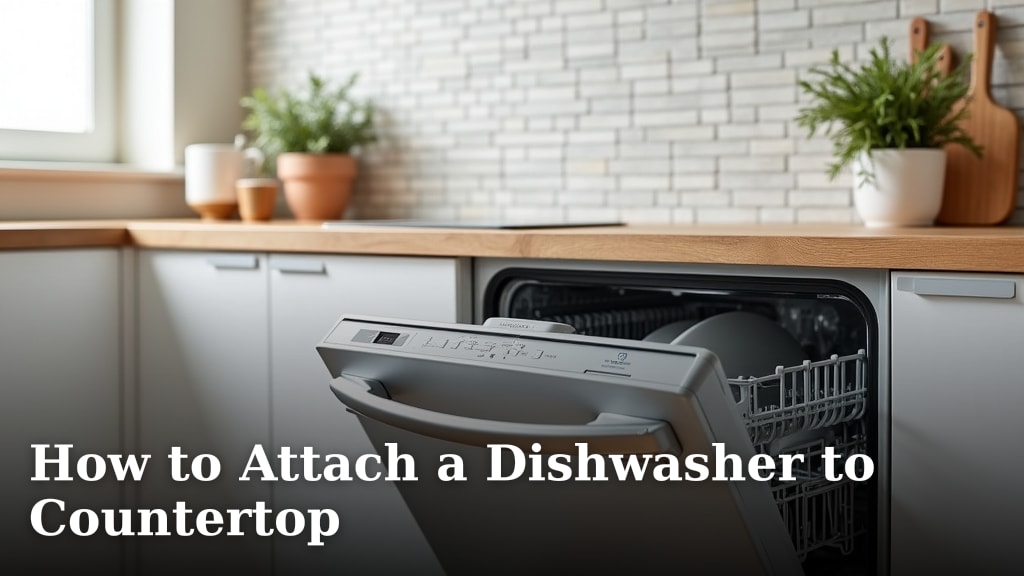
If you are removing an existing built-in unit first, follow a model-specific guide such as how to remove a dishwasher from under a counter. For a new installation, how to attach a dishwasher to countertop explains why the mounting method depends on the appliance and counter.
What should you do if the model isn't approved?
Keep using the dishwasher in its intended portable setup or choose a built-in model for the cabinet. Don't improvise a conversion by cutting away the housing, changing the wiring, or forcing connections.
If you need the unit out of sight, see whether the manual supports a cabinet placement that preserves its intended setup and access. If a permanent installation is the goal, compare built-in models sized for the opening and have the connections prepared for that appliance.
Pick a portable dishwasher when you need a movable unit with its designed sink hookup. Pick a built-in dishwasher when you want a permanent under-counter installation and the cabinet, plumbing, drain, and power are ready for it.
Frequently asked questions
Can any portable dishwasher be converted to a built-in?
No. Conversion depends on the model's approved installation options, dimensions, and connection layout.
Check its manual or ask the manufacturer before modifying the cabinet, hoses, or wiring.
If the model isn't approved for built-in installation, choose a built-in dishwasher instead.
Can I put a portable dishwasher under a counter?
Sometimes, if the manual allows it and the unit fits with the required ventilation, access, and clearances. Being able to slide it beneath a counter doesn't make it a built-in appliance.
Keep its connections accessible and don't enclose or anchor it without manufacturer guidance.
Does a portable dishwasher need a special faucet connection when built in?
A built-in installation generally needs a fixed water supply connection, a drain connection, and a suitable electrical supply. The exact parts and routing depend on the dishwasher model and local requirements.
Follow the manual or use a qualified installer to confirm compatibility.
Can I use a mounting bracket with a portable dishwasher?
Only if the dishwasher is designed for that mounting method and the bracket fits its size and installation points. Brackets made for under-counter dishwashers do not make an incompatible portable model safe to convert.
Check both manufacturers' fit guidance before buying or drilling.