How to Clean a Countertop Dishwasher Drain Hose
On this page (8 sections)
The easiest way to clean your countertop dishwasher drain hose is to Learn more about what a countertop dishwasher is in everyday use.disconnect it from the unit and flush it. This helps remove any food particles or gunk that could be causing clogs or odors. You can do this with a simple hose and water.
A clogged or dirty drain hose can lead to unpleasant smells and even water backing up into your dishwasher. Keeping it clean ensures your dishwasher runs efficiently. We found that regular checks are key to preventing bigger issues. Your dishwasher will thank you!
- Disconnect the drain hose.
- Flush it with water.
- Check for obstructions.
- Reconnect securely.
- Run a test cycle.
Let’s walk through exactly how to clean your countertop dishwasher drain hose step by step to get it flowing freely again. This guide explains if countertop dishwashers are effective in everyday use.
HTML code starts here:Keeping Your Countertop Dishwasher Drain Hose Clear
Your countertop dishwasher drain hose might seem like a simple tube, but it’s vital for your appliance’s function. When it gets clogged, you might notice lingering smells or water that doesn’t drain properly. Cleaning it regularly can prevent these issues. We found that a clean drain hose means a happier dishwasher and fewer headaches for you.
Why Cleaning Your Dishwasher Drain Hose Matters
Think of the drain hose as the dishwasher’s exit route for dirty water. As it carries away food particles and grease, some of these bits can get stuck. Over time, this buildup can narrow the hose. It might even become a breeding ground for mildew and bacteria. This is often the source of that unpleasant, musty odor you sometimes get after a wash cycle. Many plumbing and appliance experts agree that regular maintenance prevents more serious problems down the line.
Signs Your Drain Hose Needs Attention
Sometimes, you don’t realize there’s an issue until it’s a bit of a mess. Are you seeing any of these signs? A dishwasher that isn’t emptying completely is a big clue. You might also notice a funny smell coming from the sink area, even when the dishwasher isn’t running. Sometimes, you can even hear gurgling sounds that weren’t there before. These are all indicators that the drain hose may be blocked or dirty and needs a good cleaning.
Potential Problems from a Clogged Hose
Ignoring a dirty drain hose can lead to more than just a bad smell. It can cause water to back up into the dishwasher tub. This means dirty water from your dishes might be sitting there, which isn’t ideal. In some cases, a severe clog could even damage the dishwasher’s pump or motor. We’ve heard from many users who wished they’d cleaned the hose sooner when they faced costly repair bills.
Tools and Preparation for Cleaning
Before you start, gather a few simple items. You’ll want some towels or rags to catch any drips. A bucket is also a good idea to place under the hose connection. You might also need a small screwdriver or pliers, depending on how the hose is attached. Safety first! Make sure the dishwasher is unplugged from the electrical outlet. This is a critical safety step to avoid any electrical shock. Many appliance repair guides emphasize unplugging the unit before any maintenance.
Gathering Your Supplies
Here’s a quick checklist of what you might need:
- Towels or old rags
- A bucket
- A small screwdriver (Phillips or flathead)
- Pliers (optional, depending on hose clamp)
- Gloves (optional, but recommended)
- A garden hose or sink sprayer
Disconnecting the Dishwasher Drain Hose Safely
First, locate where the drain hose connects to your dishwasher. It’s usually at the back or bottom of the unit. You’ll likely see a clamp holding it in place. Carefully loosen this clamp using your screwdriver or pliers. Once the clamp is loose, gently pull the hose off the dishwasher’s drain port. Have your bucket and towels ready, as some water might spill out. This is a normal part of the process. If you’re unsure about your dishwasher model, checking the user manual is always a good idea. Many manuals provide diagrams for easy reference.
Step-by-Step Guide to Cleaning the Drain Hose
Now that the hose is disconnected, you can give it a thorough cleaning. The goal is to flush out any debris. This is where your garden hose or sink sprayer comes in handy. It’s a simple but effective method to ensure your hose is clear and working as it should.
Flushing the Hose with Water
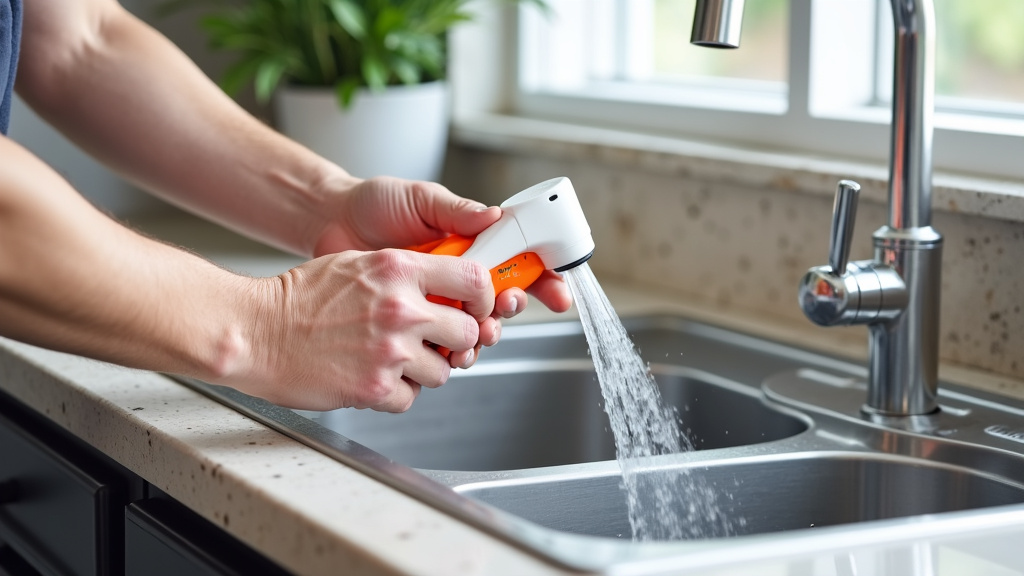
Take the disconnected drain hose and place one end into a sink or a bucket. Aim the other end outside or into a large container. Turn on your garden hose or sink sprayer and run cold water through the hose. You should see water flowing out the other end. Keep flushing until the water runs clear. This indicates that most of the food particles and gunk have been washed away. Many sources suggest using cold water to help break down grease.
Checking for Stubborn Obstructions
Sometimes, a particularly stubborn clog might resist a simple flush. If you suspect something is still stuck, you can try a few other methods. Gently try to dislodge it with your fingers if you can reach. You could also try using a long, flexible tool like a straightened coat hanger or a plumbing snake. Be careful not to puncture or damage the hose while doing this. If you encounter a very tough blockage, it might be time to consult a professional. We found that patience is key when dealing with tough clogs.
Using a Cleaning Solution (Optional)
For a deeper clean, you can use a mild cleaning solution. Mix a small amount of dish soap or white vinegar with warm water. Pour this mixture into the hose and let it sit for about 15-30 minutes. Then, flush it thoroughly with clean water again. Vinegar is a natural disinfectant and can help break down mineral deposits and odors. Research from environmental health organizations often points to vinegar as a safe and effective household cleaner (Environmental Protection Agency). Just be sure to rinse it out completely so no residue remains.
Reconnecting and Testing Your Drain Hose
Once you’re confident the hose is clean and clear, it’s time to put everything back together. A secure connection is important to prevent leaks. After reattaching, running a test cycle will confirm that everything is working correctly.
Attaching the Hose Securely
Slide the drain hose back onto the dishwasher’s drain port. Ensure it’s pushed on as far as it will go. Then, reposition the clamp and tighten it firmly. You want it snug enough to prevent leaks but not so tight that you damage the hose or fitting. A good rule of thumb is to tighten it until it’s secure, then give it one more slight turn. Check that the hose isn’t kinked or twisted anywhere along its length. A kink can restrict water flow, creating a new problem.
Running a Test Cycle
Plug your dishwasher back into the electrical outlet. Run a short rinse cycle or a small load. Keep an eye and ear out for any unusual noises or leaks during the cycle. Check the connection point after the cycle is complete to make sure there are no drips. If everything looks and sounds good, your drain hose should now be functioning properly. If you still notice issues, you might need to re-examine the connection or consider if there’s a clog further down your sink’s drain pipe. Many appliance guides suggest this final test to confirm repairs.
Preventing Future Drain Hose Issues
Cleaning your drain hose is a great step, but a little prevention goes a long way. How can you keep it clear and free from gunk? Simple habits can make a big difference.
Scrape Dishes Before Loading
The most common cause of drain hose clogs is large food particles. Before you place dishes into your countertop dishwasher, scrape off any significant food scraps. You don’t need to rinse them perfectly, but get rid of the big chunks. This prevents them from making their way into the drain hose in the first place. Many dishwashing manuals recommend this as a first line of defense.
Regular Inspections
We found that making drain hose cleaning a part of your regular appliance maintenance routine is best. Aim to check and clean it every few months, or whenever you notice a potential issue. This could be every 3-6 months, depending on how often you use your dishwasher. A quick flush now and then can save you from a bigger problem later on. Think of it like checking your car’s oil – a small task that prevents major damage.
Understanding Your Dishwasher’s Filter
Most dishwashers have a filter that catches larger debris before it reaches the drain hose. Make sure you know where your filter is located and clean it regularly. A clogged filter means more gunk can potentially get past it and into the hose. Refer to your dishwasher’s manual for instructions on how to access and clean its specific filter. Keeping this filter clean is a key step in preventing drain hose clogs.
Conclusion
You’ve learned how to effectively clean your countertop dishwasher drain hose. By disconnecting and flushing it, you can remove buildup that causes odors and drainage issues. Remember to always unplug your dishwasher before starting any maintenance for your safety. Regular cleaning and simple habits, like scraping dishes and checking your dishwasher’s filter, will keep your drain hose clear and your appliance running smoothly. Taking these steps now can save you from bigger problems and costly repairs down the line.
Frequently Asked Questions
How often should I clean my countertop dishwasher drain hose?
We recommend cleaning your drain hose every 3-6 months. If you notice lingering smells or slow draining, it’s a good idea to clean it sooner. Regular checks are key to preventing clogs.
Can I use bleach to clean the drain hose?
It’s best to avoid harsh chemicals like bleach. While they might seem effective, they can sometimes damage the hose material over time. Mild dish soap or vinegar is a safer alternative.
What if the hose is still clogged after flushing?
If water still isn’t flowing freely, there might be a stubborn obstruction. You can try a straightened coat hanger or a flexible tool, but be careful not to damage the hose. If it persists, a plumber might be needed.
Is it normal for water to leak when I disconnect the hose?
Yes, a small amount of residual water may leak out when you disconnect the hose. Having towels and a bucket ready will help you manage any drips effectively.
What is the purpose of the clamp on the drain hose?
The clamp secures the drain hose to the dishwasher’s drain port. It prevents water from leaking out during operation. Ensure it’s tightened properly when you reattach the hose.


