Why Does Water Come Back up the Drain Hose?
On this page (4 sections)
Water can come back up your drain hose because of clogs, a blocked air gap, or improper hose setup. These issues prevent wastewater from draining away properly. Your dishwasher or washing machine then has nowhere to send the dirty water. This can cause an unpleasant mess in your kitchen or laundry room.
We found that a common culprit is a full drain filter. Food debris or lint can build up over time. Another reason might be a kinked hose that restricts water flow. Understanding these common problems can help you fix it fast.
- Clogs in the drain filter are a frequent cause.
- A blocked air gap can stop water from draining.
- The dishwasher or washing machine hose might be kinked.
- Improper installation can also lead to water backing up.
Let’s look at the most common reasons why water might be backing up and what you can do about it.
“`htmlTroubleshooting Water Backing Up From Your Dishwasher or Washer Drain Hose
Seeing water pool around your appliance is never fun. It can leave you wondering, “Why is water coming back up my drain hose?” This usually means something is preventing the dirty water from flowing out properly. We’ve researched the most common reasons this happens. Most of the time, it’s a fixable issue.
Common Causes for Drainage Problems
Clogged Drain Filters and Hoses
One of the most frequent culprits behind a backed-up drain hose is a clogged drain filter. Over time, food particles, lint, hair, or other small items can accumulate in the filter. This buildup restricts water flow. When the appliance tries to drain, the water has nowhere to go but back out.
This is especially common in dishwashers. You might notice small pieces of food left in the bottom of the dishwasher if the filter is clogged. For washing machines, lint traps can become overloaded. We found that regular cleaning of these filters can prevent many drainage issues.
How to Check and Clean Your Drain Filter
Locating your drain filter is the first step. Consult your appliance’s manual for its exact position. For most dishwashers, it’s at the bottom of the tub, often under the lower spray arm. Washing machine filters are typically found behind a small access panel near the bottom front of the machine.
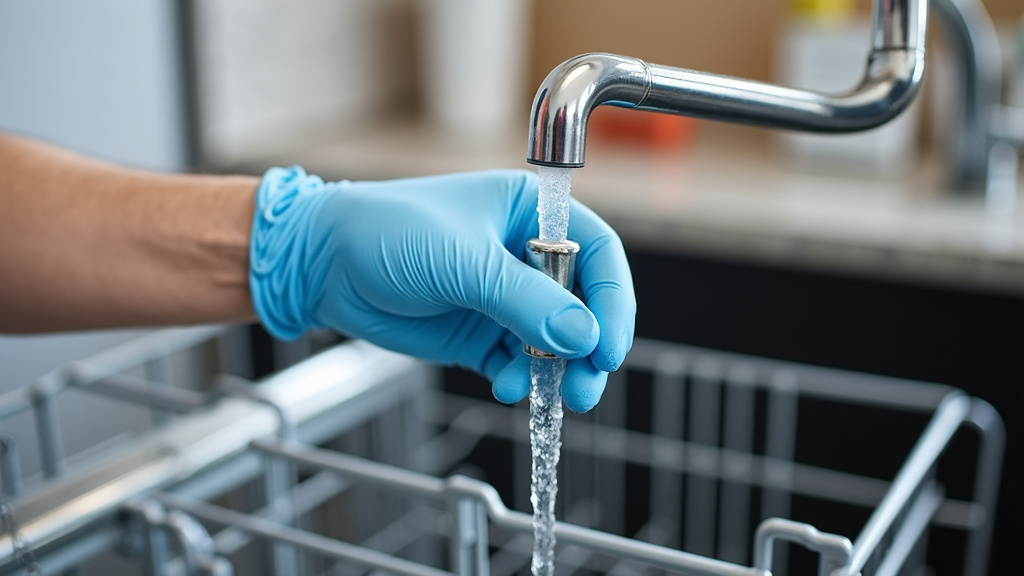
Once you find it, carefully remove the filter. You’ll likely see trapped debris. Rinse it under running water. You can use an old toothbrush to gently scrub away any stubborn gunk. Make sure the filter area itself is clear of debris before replacing the filter. A clean filter allows water to pass through freely.
Kinked or Bent Drain Hoses
A drain hose that is kinked or bent can severely restrict water flow. Think of trying to drink through a straw that’s been sharply bent. The water just stops. The same principle applies to your appliance’s drain hose.
This can happen during installation or if the appliance is bumped or moved. A kinked hose forces the water to back up into the appliance tub. We found that it’s important to ensure the hose has a smooth, unimpeded path to the drain connection. Check the entire length of the hose for any sharp bends.
Straightening a Kinked Hose
Gently try to straighten any visible kinks in the hose. Sometimes, just nudging the appliance slightly can free up a hose that has been pushed against a wall or cabinet. If the hose is permanently bent or damaged, you may need to replace it. A new drain hose is usually an affordable fix.
Problems with the Air Gap (Dishwashers)
If you have a dishwasher, you might have an air gap. This is a small fixture, usually on your countertop or sink, that prevents dirty water from flowing back into your dishwasher. It’s a safety device. It creates a gap that breaks the connection between your dishwasher drain and your sink drain.
When the air gap gets clogged with food debris or mineral buildup, it can prevent water from draining. This is another common reason for water backing up. We found that cleaning the air gap regularly can save you a lot of headaches. Many plumbing codes require an air gap for dishwashers.
Cleaning Your Dishwasher’s Air Gap
To clean the air gap, first remove its decorative cover. You’ll then see a plastic cap underneath. Unscrew this cap. Inside, you’ll find a smaller inner cap and a rubber baffle. Remove these as well.
Clean out any debris you find in these parts and inside the air gap housing. A small brush or pipe cleaner can be helpful here. Rinse everything thoroughly. Reassemble the air gap carefully. Ensure the baffle and caps are seated correctly. A clear air gap allows wastewater to escape properly.
Sink or Main Plumbing Clogs
Sometimes, the problem isn’t with the appliance itself. If your sink is draining slowly or is completely backed up, it’s likely your main household plumbing is the issue. Your dishwasher or washing machine drains into this same system.
When the household pipes are blocked, the water from your appliance has nowhere to go. It will naturally back up into the lowest point available, which is often your appliance’s drain hose. We found that this is a common scenario, especially after periods of heavy use or when certain items are accidentally put down the drain.
Checking Your Sink and Household Drains
Run some water in your sink. Does it drain away quickly? If not, or if it backs up into the dishwasher or washing machine, you have a clog in your main drain line. You might also notice gurgling sounds from your drains. These are signs that the plumbing system is struggling.
For minor clogs, you can try using a plunger or a drain snake. If you suspect a major blockage, it’s often best to call a plumber. They have specialized tools to clear stubborn clogs in your main drain lines. You can also look for a disposal unit connection, as sometimes the dishwasher hose connects to the garbage disposal.
Improper Drain Hose Installation or Setup
The way your drain hose is positioned is critical for proper drainage. Appliances are designed to drain against gravity to a certain extent, but there are limits. If the drain hose isn’t set up correctly, water can flow back in.
One key aspect is the height of the drain loop. For dishwashers, the drain hose should loop up and connect to the sink drain or air gap at a height of at least 20 inches from the floor. This prevents dirty sink water from siphoning back into the dishwasher. For washing machines, the hose should be secured to prevent it from falling below the recommended height into the standpipe or drain.
Ensuring the Correct Drain Hose Height
Check your appliance’s installation manual for specific height requirements. If the hose is too low, water will naturally flow back down it. You can create a high loop by using a strap or clip to secure the hose to the underside of your countertop or to the back of the appliance. This ensures that water has to climb against gravity to get back into the machine.
Faulty Check Valves
Some appliances have a check valve built into the drain system. This is a one-way valve designed to let water flow out but not back in. If this valve becomes stuck, clogged, or broken, it can cause drainage problems.
These valves are typically located within the drain pump or the drain hose assembly. Finding and replacing a faulty check valve can be a bit more technical. We found that this is less common than a simple clog or kink, but it’s a possibility if other solutions don’t work.
Drain Pump Issues
The drain pump is what actively pushes water out of your appliance through the drain hose. If this pump is failing, clogged, or has a broken impeller, it won’t be able to move water effectively. This leads to water remaining in the appliance and potentially backing up.
Signs of a failing drain pump can include strange noises during the drain cycle or the drain cycle taking an unusually long time. If you suspect your pump is the issue, it might be time to call a qualified appliance repair technician. They can diagnose and replace the pump if necessary.
Checklist: Quick Steps to Troubleshoot Drainage
- Inspect the drain hose for any visible kinks or bends.
- Check and clean the appliance’s drain filter for trapped debris.
- Verify the air gap (dishwasher) is clear and properly installed.
- Test your sink or main household drains for slow or stopped drainage.
- Ensure the drain hose has the correct high loop as per the manual.
- Listen for unusual noises from the drain pump during the drain cycle.
By systematically checking these common areas, you can often identify and resolve the issue of water backing up from your drain hose. Remember to always unplug your appliance before performing any maintenance or inspection.
“`
Conclusion
Seeing water back up your drain hose can be a real hassle, but now you know it’s usually a fixable problem. We’ve learned that common culprits include clogged filters, kinks in the hose, blocked air gaps, or issues with your home’s main plumbing. Sometimes, it’s as simple as ensuring the drain hose is installed at the correct height. By systematically checking these areas, you can often get your appliance draining properly again. Before you call for service, take a few minutes to run through our troubleshooting checklist. Your next step should be to unplug your appliance and start with the easiest checks, like inspecting the hose and cleaning out the drain filter.
Frequently Asked Questions
How often should I clean my dishwasher’s drain filter?
We found that cleaning your dishwasher’s drain filter at least once a month is a good practice. If you frequently run your dishwasher or use it for heavily soiled dishes, you might need to check it even more often. Regular cleaning prevents food particles from causing clogs and water backup.
Can a garbage disposal cause my dishwasher water to back up?
Yes, absolutely. If your dishwasher drains into a garbage disposal, a clog in the disposal can stop your dishwasher’s water from draining. We recommend running water through your disposal after each use and avoiding putting tough food scraps down it to keep it clear.
My washing machine drain hose is too high, is that a problem?
While a hose that is too high can cause some drainage issues, it’s more common for water to back up when the hose is too low. Your washing machine’s manual will specify the correct height range for the drain hose to prevent siphoning or backflow. Ensuring the hose is properly secured within the standpipe is key.
What does a blocked air gap look like?
A blocked air gap often looks like a small cap on your sink or countertop with a hose connected to it. Inside, you might see trapped food debris, soap scum, or mineral buildup. It’s usually a simple plastic piece that can be unscrewed and cleaned out with common household items.
Is it dangerous to use chemical drain cleaners for appliance hoses?
We advise against using harsh chemical drain cleaners on your appliance’s drain hose or inside the appliance itself. These chemicals can damage the rubber or plastic components of your appliance and hose. Stick to mechanical cleaning methods or professional help if you can’t clear a clog.


