What Is a Drain Clip for a Countertop Dishwasher?
On this page (9 sections)
- Understanding Your Countertop Dishwasher’s Drain Clip
- Why Is a Drain Clip So Necessary?
- How Does a Countertop Dishwasher Drain Hose Work?
- What a Drain Clip Looks Like and How It Works
- When You Might Need a Replacement Drain Clip
- Choosing the Right Drain Clip for Your Dishwasher
- A Checklist for a Secure Drain Hose Setup
- Conclusion
- Frequently Asked Questions
A drain clip for a countertop dishwasher is a small, often metal, L-shaped bracket that securely attaches your dishwasher’s drain hose to your sink’s faucet or drain. It’s a simple yet essential part that prevents the hose from popping out during a cycle, avoiding potential water messes. Think of it as a little helper keeping your dishwasher drain hose right where it needs to be.
You might be wondering why this little clip is so important. It plays a key role in the proper functioning of your dishwasher, especially if it’s a compact model that drains directly into the sink. Without it, a displaced hose can lead to water damage and a very unhappy homeowner. Many dishwashers come with one, but they can get lost or broken over time, making a replacement a smart buy for peace of mind.
- A drain clip secures your dishwasher’s drain hose.
- It prevents the hose from coming loose during use.
- This helps avoid water messes and potential damage.
- It’s a small but important part for countertop dishwashers.
- Lost or broken clips are easily replaced.
Let’s walk through exactly what a drain clip is and why you might need one.
Understanding Your Countertop Dishwasher’s Drain Clip
So, what exactly is this little doodad, this drain clip for your countertop dishwasher? It’s basically a small, usually L-shaped bracket. Its main job is to hook onto your sink’s faucet or drain assembly. Then, it holds your dishwasher’s drain hose firmly in place. This simple connection is super important for preventing leaks and water messes. Without it, that hose can easily wiggle free during a wash cycle.
Think of it like a little helper keeping your dishwasher’s drain hose right where it needs to be. It’s a small part, but it plays a big role in keeping your kitchen floor dry. Many countertop dishwashers come with one included. But like socks in the dryer, these clips can sometimes go missing. Or, they might get brittle and break over time. If yours is gone or damaged, replacing it is a straightforward fix.
Why Is a Drain Clip So Necessary?
You might wonder why such a simple piece is so important. For countertop dishwashers, which often drain directly into your sink, this clip is vital. It ensures the water has a clear path to drain without spilling onto your counters or floor. When the dishwasher pumps out water, it does so with some force. If the hose isn’t secured, it can pop out of the sink. This can create a significant and messy water situation. Our guide to countertop dishwashers explains their effectiveness in everyday use.
Preventing Water Damage and Messes
The biggest reason to ensure your drain clip is in place is to prevent water damage. Imagine coming back to find water all over your kitchen. That’s a real possibility if the drain hose comes loose. A small leak can quickly turn into a much bigger problem. It could damage your cabinets, flooring, and even appliances. A drain clip is your first line of defense against these common countertop dishwasher issues. It’s a small effort for a lot of protection.
Ensuring Proper Drainage Function
Beyond just preventing spills, the clip helps ensure the dishwasher drains correctly. When the hose is positioned properly, gravity and the dishwasher’s pump can work together effectively. This allows water to flow out smoothly. If the hose is kinked or out of place, it can interfere with the drainage process. This might even lead to error codes on your dishwasher or incomplete cycles. The clip keeps everything aligned for optimal performance.
How Does a Countertop Dishwasher Drain Hose Work?
Countertop dishwashers are designed for convenience and smaller spaces. Unlike their built-in counterparts, they don’t have a permanent plumbing connection. Instead, they often use a system where the drain hose is simply placed over the edge of the sink. When the dishwasher finishes a cycle or needs to drain water, it pumps the dirty water out through this hose.
The Role of the Drain Hose
The drain hose itself is a flexible tube. It connects the dishwasher’s internal pump to the outlet. This outlet is usually the edge of your sink. The water is pushed through the hose and empties into the sink basin. This setup is easy to use. You simply hook the hose over the edge when needed and remove it when you’re done. It’s a simple but effective way to handle wastewater in a portable unit.
Why the Clip is Needed for Sink Draining
Because the hose just rests over the sink edge, it’s not inherently secure. During the wash cycle, the water being pumped out has momentum. This force can cause the hose to vibrate or shift. If it shifts too much, it can slip right off the sink edge. That’s where the drain clip comes in. It acts as an anchor, preventing the hose from moving around too much. It holds the hose firmly so it stays put, even when the dishwasher is actively draining.
What a Drain Clip Looks Like and How It Works
You’ve probably seen one before, even if you didn’t know what it was. Most drain clips are made of sturdy plastic or metal. They have a distinctive shape that allows them to hook onto the sink’s edge. Some are simple L-shapes. Others might have a more elaborate design with a hook or clamp-like feature. The goal is always the same: to grip the sink and hold the hose.
Common Materials and Designs
Many clips are made from durable plastic. This material is often resistant to water and detergent. Metal clips, usually stainless steel or coated aluminum, are also common. They can be very robust. The design typically involves a part that curves over the sink’s rim. Another part extends downwards. This lower part often has a slot or opening. The dishwasher’s drain hose fits snugly into this opening.
The Attachment Process
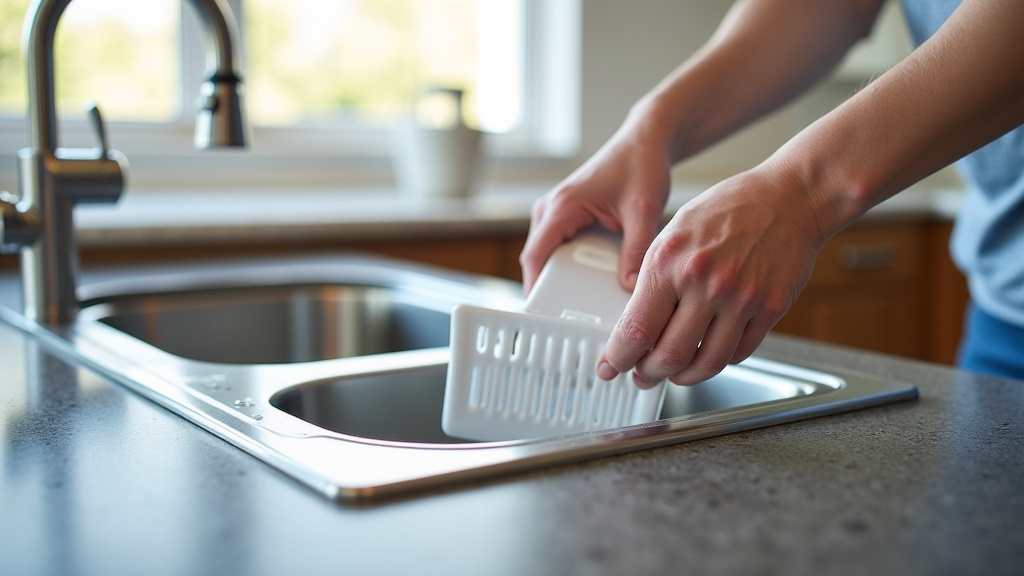
Using a drain clip is usually very straightforward. You simply place the clip over the edge of your sink. The hook or curve of the clip will rest on the rim. Then, you slide the end of the dishwasher’s drain hose into the designated slot on the clip. Make sure it’s a snug fit. This ensures the hose won’t easily slip out. It’s a quick setup that takes just a few seconds.
When You Might Need a Replacement Drain Clip
Like any small part, drain clips can sometimes get lost or damaged. If you’ve recently moved your dishwasher or cleaned behind it, you might find your clip is missing. Perhaps it fell behind the unit or got swept away during a cleaning. It’s also possible the clip you have is old and has become brittle. This can happen with prolonged exposure to water and heat. If it cracks or breaks, it won’t be able to do its job.
Common Reasons for Replacement
The most common reason to need a new clip is simply misplacement. They are small and can easily disappear. Another reason is wear and tear. Plastic can become brittle over time and snap. Metal clips can corrode or bend out of shape. If your current clip no longer holds the hose securely, it’s time for a replacement. This is also true if it doesn’t fit the sink edge properly anymore.
Signs Your Clip Isn’t Working
How can you tell if your drain clip isn’t doing its job? The most obvious sign is if the drain hose pops out of the sink during a cycle. You might hear a splash or see water escaping. Another sign is if the hose seems loose or wobbly even when it’s supposed to be attached. It might feel like you have to constantly adjust it. If any of these issues arise, it’s a good indicator that your clip is compromised.
Choosing the Right Drain Clip for Your Dishwasher
Finding a replacement drain clip is usually not difficult. Many manufacturers offer them as spare parts for their specific dishwasher models. You can often find them online through appliance parts retailers or directly from the dishwasher brand’s website. When searching, it’s helpful to know your dishwasher’s make and model number.
Compatibility and Fit
The most important factor when buying a new drain clip is compatibility. Not all clips are universal. Some are designed for specific sink depths or faucet styles. Look for clips that are listed as compatible with your countertop dishwasher model. If you can’t find a specific one, a universal clip might work. Measure the thickness of your sink’s edge and the diameter of your drain hose. This information can help you find a good fit. You want a secure connection without being too tight or too loose.
Where to Purchase Replacements
You can typically find replacement drain clips in a few places. Online retailers are a great resource. Websites dedicated to appliance parts are often the easiest place to start. You can also check the manufacturer’s website for your dishwasher. Sometimes, general home goods stores or hardware stores might carry universal sink accessories. Always check the product description to ensure it’s suitable for a dishwasher drain hose.
A Checklist for a Secure Drain Hose Setup
To ensure your countertop dishwasher is draining properly and safely, follow these simple checks:
- Check the clip’s condition: Inspect your current drain clip for any cracks, breaks, or signs of wear.
- Ensure a snug fit: Make sure the drain hose fits securely into the clip’s holder.
- Test hose placement: Confirm the clip holds the hose firmly over the sink edge without slipping.
- Sink edge compatibility: Verify that the clip is designed to fit your specific sink’s thickness.
- Check for leaks: During the next drain cycle, watch to ensure no water escapes around the hose connection.
Conclusion
You’ve learned that a drain clip for your countertop dishwasher is a small but mighty part. It’s your defense against messy spills and potential water damage. By securely holding the drain hose, it ensures your dishwasher functions as it should. If yours is missing or broken, don’t stress. Replacing it is a simple fix that brings peace of mind. Take a moment to check your current clip’s condition. Ensuring it’s secure will keep your kitchen dry and your dishwasher running smoothly.
Frequently Asked Questions
Will any drain clip work with my countertop dishwasher?
Not all drain clips are universal. While some are designed for broader use, it’s best to check compatibility with your dishwasher model. Measuring your sink’s edge and drain hose diameter can help you find a clip that fits securely. Your dishwasher’s manual or manufacturer’s website can offer guidance.
How do I know if my drain clip needs replacing?
The clearest sign is if your drain hose pops out of the sink during a cycle, causing water to spill. You might also notice the hose feels loose or unstable, even when attached. If the clip itself shows signs of cracking, breaking, or corrosion, it’s likely time for a new one.
Can I use my countertop dishwasher without a drain clip?
While you might be able to get by for a short time, it’s not recommended. Without a secure clip, the drain hose can easily slip out of the sink. This can lead to significant water messes and potential damage to your countertops or floors. A drain clip provides essential security.
Where can I buy a replacement drain clip?
You can typically find replacement drain clips from online appliance parts retailers. Many dishwasher manufacturers also sell them as accessories on their websites. Sometimes, larger home improvement or hardware stores might carry universal options for sink accessories.
How often should I check my drain clip?
It’s a good idea to inspect your drain clip periodically, perhaps every few months or whenever you clean your sink area thoroughly. Look for any signs of wear, such as cracks or brittleness. This quick check ensures it’s still holding the hose securely and preventing leaks.


