What Is a Faucet Adapter for a Countertop Dishwasher?
A faucet adapter for a countertop dishwasher is a small connector that attaches your portable dishwasher to your kitchen faucet. It lets you hook up the dishwasher’s water hose without needing a permanent plumbing change. This adapter is your secret weapon for enjoying a dishwasher’s convenience in a rental or smaller kitchen.
You simply screw the adapter onto your faucet spout. Then, your dishwasher hose connects to it. We found this to be a very straightforward process for most users. It’s designed to be a temporary solution that works with most standard faucets and dishwashers.
- A faucet adapter connects your portable dishwasher to your faucet.
- It allows for easy setup without permanent plumbing changes.
- You just screw it onto the faucet and attach the dishwasher hose.
- It’s a convenient solution for renters or small kitchens.
Now that you know what it is, let’s walk through how they work and what you should look for when choosing one.
Understanding Your Countertop Dishwasher’s Faucet Hookup
So, you’ve got a countertop dishwasher, and you’re wondering how to connect it to your sink without a major plumbing project. That’s where the faucet adapter comes in. Think of it as a special connector that bridges the gap between your faucet and your dishwasher’s water hose. It’s designed to be a simple, temporary solution.
It means you can enjoy the convenience of a dishwasher even if you’re renting or don’t want to modify your kitchen’s permanent fixtures. We found that this little gadget makes a big difference for many households. It’s a clever way to get that much-needed clean dish satisfaction without the fuss.
How Does a Faucet Adapter Actually Work?
The magic of a faucet adapter lies in its simplicity. It’s a small piece with threading on one end and a quick-connect fitting on the other. You typically unscrew your faucet’s aerator – that’s the little screen at the very tip of your spout. Then, you simply screw the faucet adapter onto the faucet threads.
Once the adapter is securely attached, the other end acts as a port. Your dishwasher’s water inlet hose, which usually has a corresponding connector, then simply clicks or screws into this adapter. The adapter then allows your faucet’s regular water pressure to feed into the dishwasher for its wash cycles.
The Flow of Water: From Faucet to Dishwasher
When you turn on the water to run your dishwasher, the water flows through your faucet and into the adapter. The adapter then directs this water into the dishwasher’s hose. When the dishwasher cycle is complete, or when you want to use your sink for its normal purpose, you simply disconnect the dishwasher hose from the adapter.
Some adapters even come with a small lever or mechanism. This allows you to shut off the water flow to the dishwasher while still allowing water to flow from the faucet for general use. This feature is quite handy and prevents accidental dishwasher fills. We found this capability makes switching between tasks much smoother.
Key Components of a Faucet Adapter
Most faucet adapters have a few key parts. They generally have a metal or plastic body. Inside, there’s often a rubber washer or gasket to ensure a watertight seal. The part that screws onto your faucet has external threads. The other end, for connecting your dishwasher hose, has a specific fitting – often a quick-connect style.
Many adapters also include a diverter valve. This is usually a small lever or knob. It lets you control whether water goes to the dishwasher or stays for your faucet. This is a pretty neat feature that many users appreciate. It adds a layer of **practicality** to the setup.
Why You Might Need a Faucet Adapter
The primary reason most people look for a faucet adapter is for countertop dishwashers. These dishwashers are incredibly useful for smaller living spaces or for those who aren’t allowed to make permanent plumbing changes.
Benefits for Renters and Small Kitchens
If you rent your home, you likely can’t make permanent alterations to your plumbing. A faucet adapter is a perfect temporary solution. It allows you to install and use a dishwasher without violating your lease. You simply install it when you need it and remove it when you move out.
For those with smaller kitchens, a countertop dishwasher is a space-saving marvel. It fits right on your counter. But without an easy way to connect it, it’s just a box. The adapter makes connecting it to your existing water supply quick and simple. It’s a **lifesaver for apartment dwellers**.
Convenience Without the Cost of Installation
Permanent dishwasher installations can be expensive. You often need to hire a plumber to run water lines and drain lines. A faucet adapter bypasses all of that. You don’t need professional help for the connection itself. This saves you **money and time**.
It truly democratizes dishwasher ownership. Suddenly, it’s accessible to more people. You get the benefit of clean dishes without the large upfront cost. It’s a very **practical upgrade** for many households.
What to Look for in a Faucet Adapter
Not all faucet adapters are created equal. When you’re shopping, there are a few things to keep in mind to ensure you get one that works for you and your faucet.
Compatibility with Your Faucet is Key
This is probably the most important factor. Most faucet adapters are designed to fit standard faucet spouts. However, faucets can vary in size and shape. You’ll want to check the **diameter of your faucet spout**.
- Measure the diameter of your faucet spout where the aerator is.
- Check the adapter’s specifications for the range of faucet diameters it fits.
- Look for adapters that specifically mention compatibility with aerator threads.
Many adapters are designed for male-ended aerators (threads on the outside). Some faucets have female-ended aerators (threads on the inside). You might need a specific adapter or a converter if yours is unusual. Researching your faucet type beforehand is a **smart move**.
Material and Durability Matter
You’ll find adapters made from various materials. Plastic adapters are often cheaper. However, metal ones, like those made from brass or stainless steel, tend to be more durable and less prone to cracking or wear over time.
Consider how often you plan to connect and disconnect the dishwasher. If it’s frequent, a sturdier material might be worth the investment. We found that metal adapters generally offer a **more robust connection**.
Ease of Use and Included Parts
Look for adapters that are straightforward to install. Some come with clear instructions. Others might include a variety of washers or thread adapters to help you achieve a secure fit. A good adapter should make the process quick and simple.
Check if the adapter includes a diverter valve or a lever to switch water flow. This feature significantly enhances usability. It’s nice to be able to switch from dishwasher duty to sink duty without fuss. Many users find this feature **especially convenient**.
Checking Dishwasher Hose Compatibility
Your countertop dishwasher hose has a specific connector. The faucet adapter needs to match this. Most portable dishwashers use a fairly standard quick-connect fitting.
When purchasing an adapter, look for descriptions that mention compatibility with common dishwasher hose fittings. If you’re unsure, it’s a good idea to measure or identify the connector on your dishwasher’s hose before buying an adapter. Getting the right connection point is **essential for a leak-free setup**.
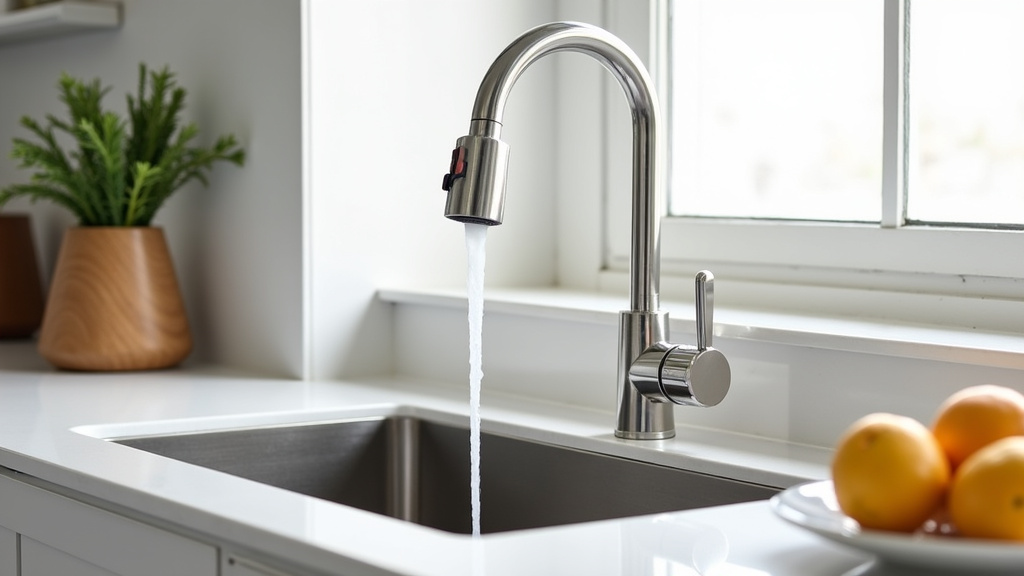
Installation: A Simple Step-by-Step
Installing a faucet adapter is generally quite easy. It’s not like trying to assemble complex furniture. Most people can do it in minutes.
Step 1: Identify and Remove Your Faucet Aerator. Look at the very tip of your faucet spout. You’ll likely see a small, removable screen. Many can be unscrewed by hand. If it’s tight, you might need pliers, but be sure to wrap the aerator with a cloth to prevent scratching.
Step 2: Attach the Faucet Adapter. Take your new adapter. Screw it onto the faucet spout where the aerator used to be. Make sure it threads on smoothly. Hand-tighten it first. Then, if needed, use pliers with a cloth to snug it up. You want it secure, but not so tight that you damage the threads.
Step 3: Connect Your Dishwasher Hose. Now, take the water inlet hose from your countertop dishwasher. Align it with the connector on the faucet adapter. Push or screw it into place according to the adapter and dishwasher hose design. You should hear or feel a click or a secure connection.
Step 4: Test for Leaks. Before running a full cycle, turn on your faucet to a slow trickle. Check around the connection points for any drips. If you see any, try tightening the adapter or ensuring the rubber washer is seated correctly. A small leak can quickly become a **big mess**.
Common Issues and Troubleshooting Tips
While generally straightforward, you might run into a snag. Here are a few common issues and how to solve them.
- Leaking at the Faucet Connection: This is the most common problem. Ensure the rubber washer is present and properly seated inside the adapter. Try hand-tightening the adapter more firmly. If that doesn’t work, and your faucet threads are standard, you might need a different adapter or a thread sealant (use one rated for potable water).
- Adapter Doesn’t Fit: Faucet threads vary. If the adapter won’t screw on or is too loose, you likely have a non-standard faucet or you’ve misidentified the thread type. Double-check your faucet’s aerator threading (male or female) and its size. You may need a different adapter or a universal adapter kit.
- Dishwasher Hose Won’t Connect: The quick-connect fitting on your dishwasher hose might not be compatible with the adapter’s port. Check both components carefully. Sometimes, a specific brand of dishwasher requires a specific type of adapter.
- Water Pressure Issues: If your dishwasher isn’t filling properly, ensure the diverter valve (if present) is fully open towards the dishwasher. Also, check that your faucet is turned on sufficiently. Low household water pressure can also be a factor.
Remember, a proper seal is key. Don’t hesitate to check product reviews or contact the manufacturer if you’re having persistent problems. They often have **specific advice**.
Making the Switch: From Sink Use to Dishwasher Use
The beauty of a faucet adapter setup is how easily you can switch between using your sink normally and running your dishwasher. It’s designed for this dual purpose.
When you want to wash dishes by hand or fill a pot, you simply disconnect the dishwasher hose from the adapter. Water will then flow directly from your faucet spout as usual. Some adapters have a lever that allows you to keep the dishwasher hose attached but divert water back to the faucet spout.
When it’s time to run the dishwasher, you reattach the hose to the adapter and turn on the water. If your adapter has a diverter, you’ll flip the lever to send water to the dishwasher. This **flexibility is a major plus** for small kitchens where space is limited and dual-use is necessary.
A Checklist for a Smooth Setup
To make sure your faucet adapter installation goes off without a hitch, consider this quick checklist:
- Measure your faucet spout diameter.
- Identify your faucet’s aerator thread type (male/female).
- Check your dishwasher hose connector type.
- Read the adapter’s compatibility notes carefully.
- Ensure the adapter is made of a suitable material.
- Look for a model with a diverter lever for ease of use.
Having these details sorted beforehand can save you a lot of **frustration and potential returns**.
| Material | Pros | Cons |
|---|---|---|
| Plastic | Affordable, lightweight | Less durable, can crack or warp over time, may degrade with hot water exposure |
| Brass | Durable, corrosion-resistant, good weight | Can be more expensive than plastic, heavier |
| Stainless Steel | Very durable, rust-proof, hygienic | Often the most expensive option, can be heavier |
When researching, we found that brass adapters often strike a good balance between cost and longevity for everyday use. Many users report them as a **reliable choice**.
Conclusion
You’ve learned that a faucet adapter is your simple, effective solution for connecting a countertop dishwasher without any permanent plumbing. It’s a small part that makes a big difference, especially for renters or those in smaller homes. By understanding how it works and what to look for, you can easily find one that fits your faucet and dishwasher.
Taking a few minutes to measure your faucet and check compatibility will save you hassle later. Now you’re ready to enjoy clean dishes with minimal setup. Your next step is to find the right adapter and get your countertop dishwasher hooked up and running!
Frequently Asked Questions
Will a faucet adapter work with any faucet?
Most faucet adapters are designed for standard faucets. However, faucets can vary in size and thread type. It’s essential to measure your faucet spout and check the adapter’s specifications to ensure compatibility. Some adapters might require additional parts for non-standard faucets.
How do I know if my dishwasher hose will connect to the adapter?
Countertop dishwashers typically use a standard quick-connect fitting for their water inlet hose. You should check your dishwasher’s manual or measure the hose connector. Most adapters are designed to fit these common connections, but it’s always wise to confirm before purchasing.
Can I still use my sink normally when the adapter is installed?
Yes, in most cases. Many adapters have a diverter lever. This lets you switch water flow to the dishwasher or back to your faucet spout. If your adapter doesn’t have a lever, you can simply disconnect the dishwasher hose when you need to use your sink for regular tasks.
What’s the difference between a plastic and a metal faucet adapter?
Plastic adapters are generally more affordable but can be less durable and may degrade over time. Metal adapters, like brass or stainless steel, are typically more robust, resistant to corrosion, and last longer. For frequent use, a metal adapter is often a better investment.
What if the adapter leaks after installation?
Leaking is usually caused by a poor seal. First, check that the rubber washer is correctly seated inside the adapter. You might need to tighten the adapter a bit more, but be careful not to overtighten. If the problem persists, ensure you have the right adapter for your faucet’s threads, or consider a thread sealant rated for potable water.