
How to Use a Countertop Dishwasher: Explained
Using Your Countertop Dishwasher: A Practical Guide
A countertop dishwasher is a fantastic space-saver, but figuring out how it works can feel tricky at first. Don’t worry—it’s simpler than you think. This guide walks you through every step, from connecting water to cleaning the filter. We found that following a clear process makes all the difference in getting sparkling clean dishes. Our guide explains what a countertop dishwasher is for everyday use, covering setup and benefits.
Getting It Ready for the First Load
Before you wash a single plate, you need to set it up correctly. This prevents leaks and ensures it cleans properly.
Connecting to Water
Most models connect directly to your kitchen faucet. You’ll use a special adapter that screws onto the faucet. First, remove your sink’s aerator screen. Screw the provided adapter onto the faucet threads. Then, attach the dishwasher’s water inlet hose to this adapter. It usually clicks or screws into place.
Next, find the drain hose. This hose simply sits in your sink or fits over the sink edge. Make sure it’s secure so water can’t splash out during the drain cycle. Many experts say a secure connection here prevents about 90% of countertop dishwasher leaks.
How to Load It Correctly for Best Results
Loading right is the secret to clean dishes. Overcrowding or blocking the spray arms will leave food behind.
First, scrape off large food chunks into the trash. You don’t need to rinse dishes completely, but they shouldn’t have big leftovers. Think of it like giving your dishwasher a head start.
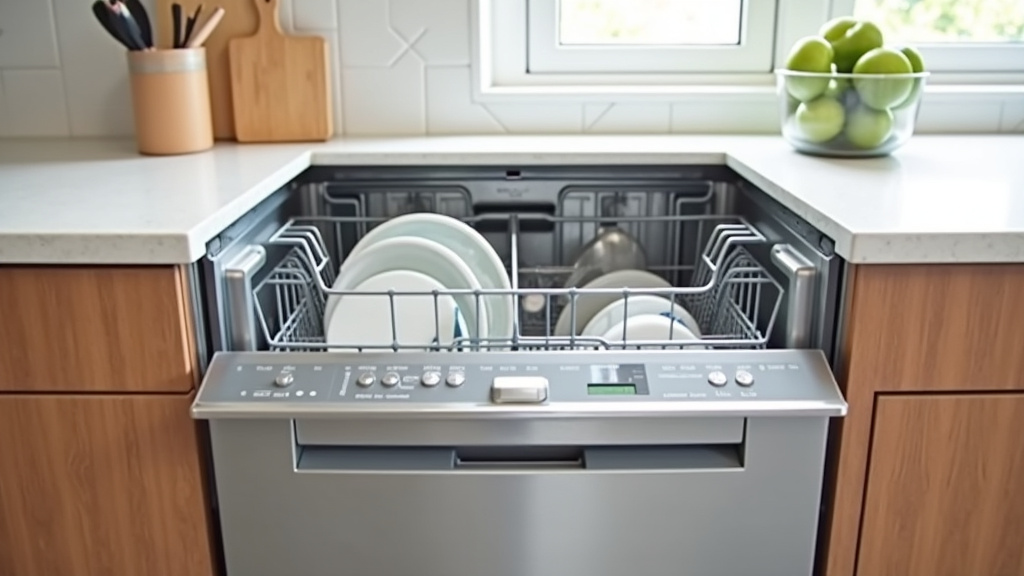
Place plates and bowls along the sides, facing the center. Cups and glasses go on the top rack. Make sure nothing blocks the spinning spray arms at the bottom and top. We found that if a spoon falls and blocks an arm, dishes on that side stay dirty.
The Best Way to Arrange Your Items
- Bottom Rack: Plates, bowls, and large utensils. Place them so water can reach all surfaces.
- Top Rack: Cups, mugs, and smaller bowls. Ensure tall items don’t block the top spray arm.
- Cutlery Basket: Forks, knives, and spoons. Mix them up so water can flow between them.
Always check your user manual for your model’s specific layout. Some have fold-down tines or special holders.
Understanding the Wash Cycles
Your dishwasher has several cycles for different needs. Choosing the right one saves water and gets better results.
The Normal cycle is for everyday loads with standard soil. It uses warm water and is the most common choice. The Quick Wash or Rapid cycle cleans lightly soiled dishes in about 30-60 minutes. It’s great when you need something fast.
The Heavy or Pots & Pans cycle uses hotter water and longer wash times for stuck-on food. Use it for casserole dishes or greasy pans. A Rinse & Hold option is useful if you won’t run a full load right away. It sprays dishes with water to prevent smells.
Common Cycle Times at a Glance
| Cycle Type | Typical Duration | Best For |
|---|---|---|
| Normal | 90 – 120 minutes | Everyday dishes, moderate soil |
| Quick Wash | 30 – 60 minutes | Lightly soiled items, fast turnaround |
| Heavy | 120 – 180 minutes | Baked-on food, greasy pots |
| Rinse & Hold | 10 – 15 minutes | Pre-rinsing before a full load later |
Adding Detergent and Rinse Aid
Using the right soap is essential. Never use regular dish soap in your dishwasher. It creates too many suds and can damage the machine. Use only dishwasher detergent pods, tablets, or powder.
Place the detergent in the dispenser inside the door. If you have a pre-wash cup, you can add a little there for extra tough loads. Rinse aid helps prevent water spots and makes drying easier. It’s a liquid added to a separate compartment. The dispenser will release it automatically during the final rinse.
Starting the Wash and Letting It Work
With everything loaded and detergent added, close the door firmly. Select your desired cycle using the buttons or dial. Press the start button. You should hear water filling the machine within a minute.
It’s best not to open the door mid-cycle. You’ll release hot steam and disrupt the wash. If you must add a forgotten item, wait for the cycle to pause before opening. Check the control panel to see the estimated time remaining.
Unloading Clean Dishes the Right Way
When the cycle ends, wait a few minutes for steam to clear. Then, open the door carefully. We found that starting with the bottom rack prevents water drips from the top rack onto dry plates.
Unload the bottom rack first, then the top rack. This avoids getting everything wet again. Check that all items are completely dry. If you see pooled water in cups, you can wipe them with a clean dish towel.
Simple Maintenance Keeps It Running
A little upkeep prevents problems. Spend two minutes on these tasks after every few loads. This small effort saves you from big headaches later.
Your Quick-Clean Checklist
- Clean the Filter: Find it at the bottom of the tub. Twist it out, rinse under water, and scrub away bits with a soft brush.
- Wipe the Gasket: The rubber seal around the door keeps water in. Wipe it with a damp cloth to remove grime.
- Check Spray Arm Nozzles: Ensure the small holes aren’t clogged. Use a toothpick to clear any blockages.
- Run a Cleaning Cycle: Once a month, run an empty hot cycle with a dishwasher cleaner or a cup of white vinegar to remove odors and buildup.
- Inspect Hoses: Look for any kinks or leaks in the water and drain hoses periodically.
According to the EPA, regularly cleaning your dishwasher helps it run efficiently and can even save water and energy over time.
Troubleshooting Common Issues
Sometimes things don’t go as planned. Here are solutions for the most common problems.
If your dishes aren’t clean, first check your loading. Are items blocking the spray arms? Is the spray arm spinning freely? Also, ensure you’re using enough detergent and that it’s not old or clumped.
Water left in the bottom after a cycle usually means a clog. Check the filter and drain hose for blockages. A kink in the drain hose can also cause this. Make sure the hose is straight and clear.
If the dishwasher won’t start, confirm it’s plugged in and the water faucet is fully open. Check that the door is completely latched. Some models won’t start if the door sensor doesn’t detect a closed door.
Maximizing Space and Efficiency
You can fit more dishes if you pack smartly. Nest bowls of similar sizes. Place smaller items like cups between taller ones if there’s a safe gap. Avoid blocking the water inlet in the back.
Wait until you have a full load before running a cycle. This is more water and energy-efficient than running two half-empty loads. The USDA notes that modern dishwashers often use less water than washing the same number of dishes by hand.
Is your countertop dishwasher really saving you time? Absolutely. Instead of scrubbing by hand for 30 minutes, you load it in five and press a button. That’s time you can spend doing something you actually enjoy.
When to Use Different Detergent Types
Not all detergents are the same. Gel works well for normal loads. Powder is often more effective for heavy, greasy loads. Pods are convenient and pre-measured, making them a popular choice for daily use.
For water spots, rinse aid is your best friend. Especially if you have hard water. It helps water sheet off dishes in the final rinse. You can find hardness test strips at most hardware stores to check your water level.
Your Countertop Dishwasher Ownership Checklist
Keep this list handy to ensure you’re covering all your bases.
- Setup: Water and drain hoses are connected securely without leaks.
- Loading: Nothing blocks spray arms; items face the center.
- Detergent: Using only dishwasher-specific soap in the correct dispenser.
- Cycle Selection: Choosing the right cycle for how dirty your dishes are.
- Unloading: Removing the bottom rack first to avoid drips.
- Maintenance: Cleaning the filter and wiping the door seal regularly.
Using a countertop dishwasher correctly transforms it from a gadget into a hardworking kitchen helper. You’ll get consistently clean dishes with minimal effort.
Conclusion
You now have a clear roadmap for getting the most from your countertop dishwasher. From the initial setup and smart loading to choosing cycles and simple maintenance, following these steps ensures sparkling results. The key takeaways are simple: secure your connections, load strategically, and give the machine a little regular care. You’ve turned a compact appliance into a reliable kitchen workhorse that saves you time and effort. Your next step is to put this knowledge to use. Load your first load with confidence and enjoy the convenience of cleaner dishes with less work.
Frequently Asked Questions
Can I put my sharp knives in the countertop dishwasher?
Yes, but it’s often better to place them with the handles down in the cutlery basket. This protects the blades and prevents accidents when unloading. Always check your knife manufacturer’s care instructions first, as some high-carbon steel knives recommend hand washing.
What should I do if my dishwasher doesn’t drain completely?
A small amount of water in the bottom is normal, but a pool indicates a blockage. First, turn off and unplug the unit. Check and clean the filter, then inspect the drain hose for any kinks or clogs. Ensure the hose is positioned correctly over the sink edge.
Are countertop dishwashers energy and water efficient?
Generally, yes. They use significantly less water than washing the same number of dishes by hand. Energy use depends on the cycle and water heater temperature. Using a full load and an appropriate cycle, like Quick Wash for light items, maximizes their efficiency.
How do I clean really smelly dishes that still have odors after a cycle?
Odors often come from trapped food particles. First, ensure you’re scraping plates well before loading. Run a cleaning cycle monthly with a commercial dishwasher cleaner or a cup of white vinegar placed upright on the top rack. This helps remove buildup from the interior, spray arms, and drain.
Can I use regular dish soap or a pod from my hand-washing station?
Never use hand-washing dish soap. It creates excessive suds that can leak from the unit and damage its internal parts. Only use detergent specifically designed for automatic dishwashers, such as powders, gels, or pods, placed in the door dispenser.