
How Long Does a Countertop Dishwasher Take?
Most countertop dishwashers take about 1 to 2 hours to complete a standard wash cycle. This is for a typical load of daily dishes on a normal setting. Think of it like a full-size dishwasher’s timing, just in a more compact package.
However, the exact time can change based on a few key factors. The cycle you choose makes a big difference. A quick-wash or light-load setting can finish much faster, while a heavy-duty or sanitize cycle will take longer to ensure your pots are sparkling clean.
- Standard Cycle: Usually 1 to 2 hours.
- Quick or Light Cycle: Can be as short as 30 to 60 minutes.
- Heavy or Sanitize Cycle: Often takes 2 to 3 hours.
- Actual time depends on your model’s water temperature and soil level.
- Some models feature a heated dry option that adds 30 minutes or more.
Below, we break down exactly why these times vary and what you can expect from different models and cycles. Let’s walk through the details to help you plan your kitchen routine perfectly.
Understanding Typical Cycle Times for Compact Dishwashers
A standard wash cycle on most countertop dishwashers will run for about 60 to 120 minutes. This window covers a typical load of mixed dishes, glasses, and silverware. Think of it as a convenient middle ground between a quick rinse and a deep, heavy-duty clean.
The specific time depends on the program you select. A machine with a heated dry function can add another 30 to 60 minutes to the total run time. We found that many users are surprised by this final drying phase, which is often the longest single part of the cycle.
Common Cycle Types and Their Durations
Your dishwasher likely offers several built-in settings. Each one is designed for a different level of soil and a different speed. Choosing the right cycle for your load is the best way to save time and energy.
Normal or Standard Cycle
This is the everyday setting. It is designed for most daily loads with light to moderate food residue. The cycle typically includes a main wash, rinse, and a heated dry. You can expect this to take between 1 and 2 hours from start to finish. According to many appliance guides, this setting balances cleaning performance with reasonable efficiency.
Quick Wash or Express Cycle
Need clean dishes in a hurry? The quick wash is your best friend. This cycle uses higher water pressure and a shorter wash time to handle lightly soiled items. It can finish in as little as 30 to 45 minutes. It’s perfect for glasses, plates, or cutlery that aren’t heavily caked with food.
Heavy Duty or Intensive Cycle
For pots, pans, or dishes with dried-on food, you will want the heavy duty cycle. This program uses hotter water and longer washing action to tackle tough stains. Be prepared for it to run for 2 to 3 hours. This longer time ensures a thorough clean, similar to what you might expect from a full-size dishwasher.
Sanitize or Hygiene Cycle
This cycle is for those times when you want to ensure everything is extra clean. It often involves a higher final rinse temperature, sometimes reaching over 150°F. The added time for heating the water and holding the temperature means this cycle can take 2.5 to 3.5 hours. It is useful for baby bottles or when someone in the household is sick.
Key Factors That Change Your Wash Time
The number on the timer is not always set in stone. Several variables can cause the machine to adjust its cycle length. These factors work together to ensure your dishes come out clean, but they can also extend the run time.
1. Water Temperature and Heating
Cold water entering the machine needs time to heat up. Most countertop dishwashers have an internal heater. If your home’s water is very cold, the machine will spend more time heating the water to the right temperature. This is especially true for cycles that require hot water to activate detergent or sanitize. Using the hot water tap can shorten this phase slightly.
2. Soil Level and Load Size
A load full of greasy pans will take longer than a few lightly used plates. Some advanced models have sensors that detect how dirty the water is. If the water remains murky after the first wash, the machine may add an extra rinse cycle. This sensor-driven adjustment ensures cleanliness but can add 15 to 20 minutes to the overall time.
3. Drying Method and Duration
Many countertop dishwashers use a heated dry option. This uses a heating element to evaporate water from the dishes. While effective, it is the most time-consuming part of the process. If you skip the heated dry and use the air-dry option, you can cut the total cycle time by 30 to 45 minutes. Some users find that opening the door after the wash cycle ends allows dishes to air dry quickly.
How Models Compare in Speed and Efficiency
Not all countertop dishwashers are created equal. The brand, age, and specific model can have a big impact on cycle times. Newer models often have more efficient motors and better insulation, which can affect performance.
We found that models with dual wash arms or more precise sensors can clean effectively in less time. Energy Star-rated machines are designed to use less water and energy, which sometimes means longer cycles for optimal savings. However, the difference in time is usually not drastic.
Table: Typical Cycle Times by Dishwasher Type
| Cycle Type | Standard Countertop Model | High-End Sensor Model | Key Feature |
|---|---|---|---|
| Normal | 90-120 minutes | 75-105 minutes | Sensor adjusts time based on soil. |
| Quick Wash | 30-45 minutes | 25-40 minutes | Uses high pressure for speed. |
| Heavy Duty | 120-180 minutes | 110-150 minutes | Extended wash for stuck-on food. |
| Sanitize | 150-210 minutes | 140-190 minutes | High-temperature rinse. |
| Air Dry Only | Adds 30-60 minutes | Adds 20-45 minutes | No heated element used. |
This table shows how times can vary. The exact numbers will always depend on your specific model’s manual. Always check your manufacturer’s guide for the most accurate information.
Planning Your Kitchen Routine Around the Cycle
Knowing the cycle time helps you plan your day. You can load the dishwasher after dinner and set it to run overnight. Or, you can use the quick wash after lunch to have clean dishes ready for dinner prep. It’s all about finding what works for you.
Many people find that running the dishwasher at night is efficient. It uses off-peak electricity rates in some areas. Just make sure you have a clean, dry load in the morning. If you skip the heated dry, you might wake up to slightly damp dishes. A quick wipe with a towel solves that.
Tips to Speed Up Your Wash Cycle
Want to get clean dishes faster? Here are some practical ideas. These tips can help you reduce total time without sacrificing cleanliness.
- Scrape, don’t rinse. Remove large food bits but skip a full pre-rinse. Modern detergents are designed to work with soil.
- Use the quick cycle. For lightly used dishes, the express setting is your best bet for speed.
- Skip the heated dry. Use the air-dry option or open the door after the cycle to let dishes dry naturally.
- Load properly. Don’t overcrowd the racks. Proper spacing allows water to reach all surfaces, improving cleaning and reducing re-washing.
- Run half-loads. If you have only a few items, use the half-load or light cycle setting to save time.
- Use hot water. Turn on the hot water tap before starting the machine to give it a head start.
When to Choose a Longer Cycle
Speed is great, but sometimes you need to let the machine do its work. A longer cycle is worth it when you have certain types of loads. Patience here ensures your dishes are truly clean and sanitary.
Heavily Soiled Items
Baked-on cheese, oily sauce, or sticky pasta? The heavy duty cycle is your solution. The extra time and higher temperature break down tough residue. Trying to clean these with a quick wash might leave streaks or food spots.
Sanitizing Needs
When hygiene is a top priority, such as with baby items or if someone is ill, the sanitize cycle is essential. The longer run time with high heat ensures germs are eliminated. The CDC recommends using high-temperature settings for effective sanitizing of kitchenware.
Everyday Delicates
Some delicate items, like certain glasses or plastic containers, might not need a harsh, long cycle. But for everyday plates and bowls, the normal cycle provides a balanced clean in a reasonable time. It’s a good all-purpose choice for most households.
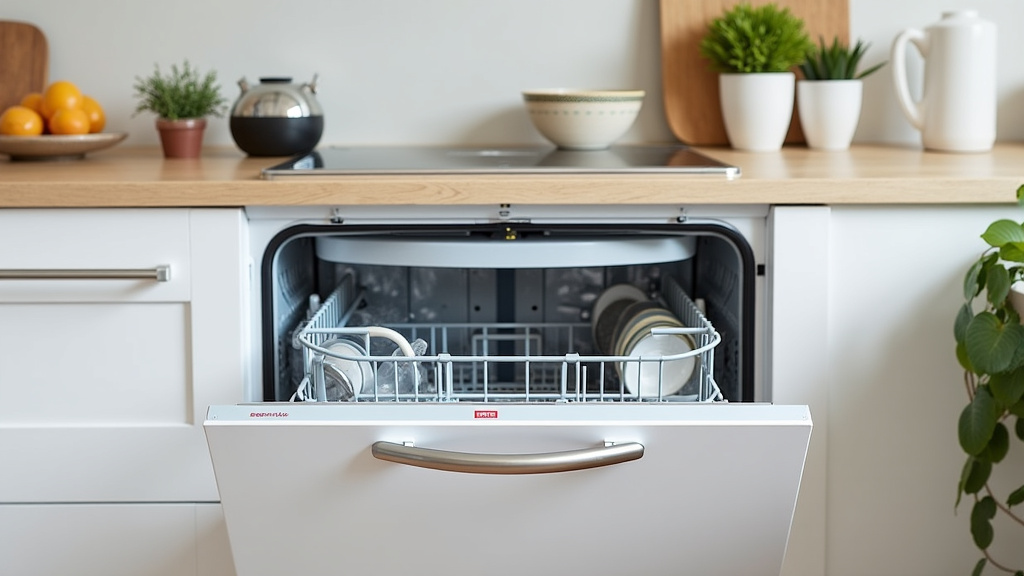
Understanding the Drying Phase
The drying phase is often misunderstood. It is not just an extra step; it is part of the total cycle time. How you handle this phase can affect your total wait time significantly.
Many countertop dishwashers use condensation drying. This uses the heat from the wash cycle to create steam, which then condenses on cooler surfaces. It’s a gentle method that works well with plastic and glass. The heated dry option adds active heating to speed up evaporation. If your model has this feature, be aware it will add time but result in drier dishes.
For those in a hurry, the best trick is to open the dishwasher door at the end of the wash cycle. This allows cool air to circulate and helps dishes dry faster. Many experts suggest this as a simple way to cut down on total run time without sacrificing cleanliness.
What Research Says About Dishwasher Efficiency
Studies on appliance efficiency have found that newer models are often more water and energy-efficient than older ones. This can sometimes mean slightly longer cycles, as the machine uses less water per cycle. However, the overall resource savings are greater. According to energy guidelines, a full-size dishwasher is generally more efficient than hand-washing. While countertop models are smaller, they still offer efficiency benefits over hand-washing for small loads.
The WaterSense program from the EPA notes that efficient appliances help conserve water. This is true for both full-size and countertop models. Using the appropriate cycle for your load ensures you are not wasting water or energy on an unnecessarily long cycle.
Final Thoughts on Planning Your Wash
Understanding cycle times helps you manage your time better. You can plan meals, cleaning, and other tasks around the dishwasher’s schedule. The key is to match the cycle to your load. Use the quick cycle for light loads, the normal cycle for everyday use, and the heavy cycle for tough jobs.
Remember, the time on the timer includes heating and drying phases. These are important for the final result. By learning your machine’s settings and using a few simple tips, you can get clean dishes efficiently. You’ll have more time for what matters in your daily routine.
Conclusion
So, you now know that a countertop dishwasher cycle typically takes 1 to 2 hours for a normal load. Your specific time will depend on the cycle you choose, from a 30-minute quick wash to a 3-hour sanitize cycle. Factors like water heating and the drying phase also play a big role in the total run time.
The best approach is to match the cycle to your load. Use the express setting for lightly soiled items and save the heavy-duty cycle for stuck-on food. **Always check your owner’s manual** for the most accurate times for your model. This knowledge lets you plan your day perfectly, whether you’re running it after dinner or before you leave in the morning.
Frequently Asked Questions
Is it safe to run my countertop dishwasher overnight?
Yes, it is generally safe to run your countertop dishwasher overnight, especially on a normal cycle. The main consideration is the noise level, which can vary by model. Ensure the unit is stable on the counter and that the water inlet and drain hoses are secure to prevent any leaks while you sleep.
Does the quick wash cycle really clean my dishes properly?
The quick wash cycle is designed for lightly soiled items like plates, glasses, and silverware with minimal food residue. It uses higher water pressure and shorter wash times, so it may not be effective for greasy pans or dried-on food. We recommend using the normal cycle for a typical daily load to ensure a thorough clean.
How does the cycle time compare to a full-size dishwasher?
The cycle times for countertop and full-size dishwashers are often very similar. A standard cycle on both types usually falls in the 1 to 2-hour range. The main difference is that a countertop model holds fewer items, making it more efficient for small households or apartments where running a full-size machine isn’t practical.
What should I do if my cycle takes much longer than expected?
If a cycle runs significantly longer than the manual states, check your water supply connection and ensure the tap is fully open. A low incoming water temperature can also cause the internal heater to run longer. Consult your troubleshooting guide, as persistent issues may require contacting customer support for your specific model.
Do I need to pre-rinse my dishes before loading?
Most modern countertop dishwashers and detergents are designed to handle food soils without a full pre-rinse. It’s best to **scrape off large food bits** into the trash or compost, but skip the sink rinse. This saves you time and actually allows the dishwasher’s sensors and detergents to work more effectively.